
A security system does not face its biggest test on the day it goes live. It faces it after handover, when the site starts to change.
On day one, cameras record, access control responds, operators know the process, and the project team has completed testing and documentation. Everything looks ready.
Then teams change, buildings expand, new areas come into operation, devices age, software needs updates, credentials change, and reports may go unread. A system that worked well at handover can quickly lose performance without active maintenance and support.
For organizations across the UAE, Saudi Arabia, and the wider Middle East and Africa, this matters. In fast-growing and critical environments, security failure can disrupt continuity, safety, compliance, customer confidence, and daily operations.
Handover is not the finish line
Many organizations treat handover as the end of the security project. It should mark the start of long-term operational performance.
During delivery, teams focus on design, integration, testing, and commissioning. After delivery, the focus shifts to uptime, compliance, reporting, training, optimization, and continuous improvement.
A strong handover gives the operations team more than a working system. It gives them documentation, asset lists, training records, warranty details, escalation procedures, maintenance schedules, and clear ownership. Without these, the system may still function, but the customer can lose visibility into performance and risk.
Why systems start to fail after handover
Security systems rarely fail overnight. More often, performance drops gradually. A device goes offline, and no one notices immediately; camera view becomes blocked after a site modification, a door reader starts working intermittently, or a software license gets close to renewal. A sensor begins triggering false alarms because the surrounding environment has changed, and an operator creates a workaround because the system workflow no longer matches how the site actually operates.
Individually, these issues may look small, but over time, they create real operational pressure. As a result of this, operators may lose trust in alerts; response teams may waste time checking false events, managers may struggle to produce accurate reports for audits, and slowly, the gap between the installed system and the live operating environment becomes wider.
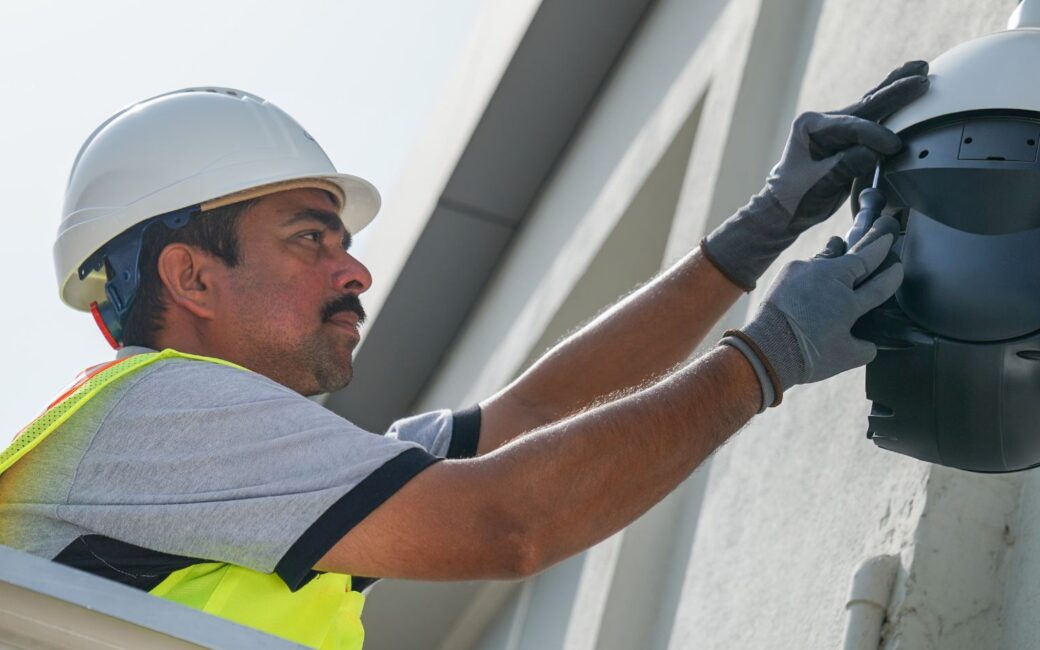
Preventative maintenance helps close that gap. It is not only about fixing problems when they appear. It is about finding risks before they interrupt operations. That means checking hardware, reviewing software, testing workflows, validating documentation, reviewing system logs, training users, and planning for upgrades before they become urgent.
The hidden cost of reactive maintenance
Reactive maintenance can seem efficient until something critical fails.
Waiting for a fault may reduce effort in the short term, but it often increases cost and risk later.
- Emergency repairs usually cost more than planned maintenance.
- Downtime affects continuity.
- Replacement parts may not be available immediately.
- Operators overload.
In mission-critical environments, this approach is especially risky because a camera outage in a cash-handling area, restricted zone, perimeter point, or critical asset location can create a serious blind spot.
Why tailored support matters
No two security environments operate in the same way.
A data center, airport, financial institution, utility site, mixed-use development, and hotel may use similar technologies, but each has different risks, operating hours, compliance needs, response expectations, and growth plans.
That is why maintenance should never follow a one-size-fits-all model.
Convergint MEA tailors maintenance and lifecycle support around each customer’s environment, risk profile, critical assets, and operational priorities. Some customers need frequent preventative maintenance visits, strict response times, and detailed multi-site reporting. Others need focused support for high-risk areas, operator refresher training, planned upgrade roadmaps, or a spare parts strategy that reduces downtime.
The goal is to build a support model that fits the customer’s reality and keeps the system aligned with the business as it changes.
How to prevent performance gaps
Lifecycle planning should begin before handover. During the design and delivery stage, organizations should ask practical questions:
- Who will own system administration after go-live?
-
How often should teams inspect devices?
-
Which reports need review?
-
How will new users receive training?
-
Which assets carry the highest risk?
-
What response time does each fault type require?
Security leaders also need an accurate asset register. They should know what they have, where it sits, who supports it, what condition it is in, and when it may need refresh or replacement. Without this visibility, lifecycle decisions become reactive, and budget planning becomes harder.
Regular performance reviews also matter. Teams should check whether devices work, but they should also ask whether the system still supports the way the site operates.
Conclusion: Lifecycle support is part of resilience
Technology alone does not create security resilience. Strong resilience comes from good design, integration, operator training, preventative maintenance, clear reporting, and continuous improvement.
For organizations in the region, the message is simple: do not wait for failure to prove the value of maintenance.
Build lifecycle support into the security strategy from the beginning; when teams maintain systems properly, those systems last longer, perform better, support compliance, and give operators more confidence during routine operations and high-pressure events.