Open post
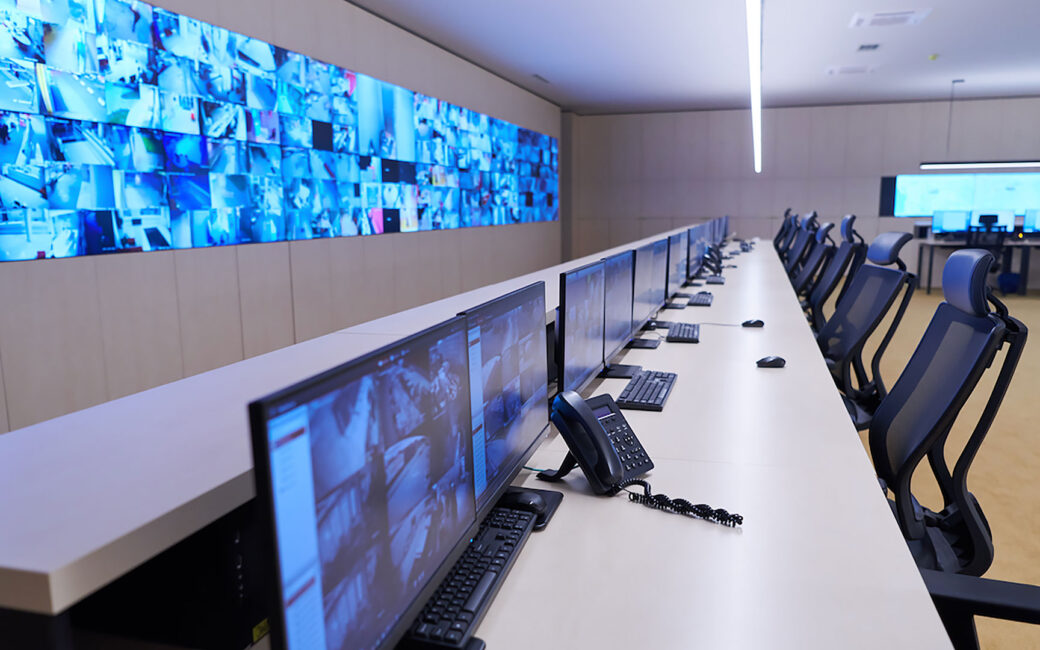
Smart surveillance system monitoring a crowded space

Smart Surveillance in Crowded Spaces: Centralized Solutions for Safety, Flow, and Rapid Response

In Saudi Arabia’s rapidly growing cities, bustling commercial centers, and world-renowned religious sites, managing crowded environments is both a logistical challenge and a security imperative. Whether it’s the peak of Hajj season in Makkah, a busy weekend in a Riyadh shopping mall, or major events at giga-project venues, the question remains: how do you ensure safety, optimize movement, and respond swiftly to incidents, all without overwhelming manpower?


The answer lies in centralized remote surveillance powered by AI and intelligent video analytics.

1- The Need for Smarter Surveillance in High-Density Zones

Traditional surveillance systems, often siloed by building or zone, struggle to keep up with the dynamic flow of large crowds. In high-density areas, risks such as overcrowding, unattended objects, suspicious behavior, or medical emergencies require real-time detection and coordinated response. Manual monitoring alone is no longer sufficient.

2- Centralized Remote Surveillance: The Next Step in Public Safety

Modern centralized surveillance systems integrate feeds from multiple locations into a unified platform, typically a command and control center, enabling faster decision-making and more efficient operations.

By combining AI-powered analytics with multi-site video management systems (VMS), operators can:

  • Monitor live video and alerts across multiple zones or cities
  • Detect anomalies instantly, without constant human observation
  • Coordinate emergency responses using integrated comms and public address systems

3- Key Applications for Crowded Spaces
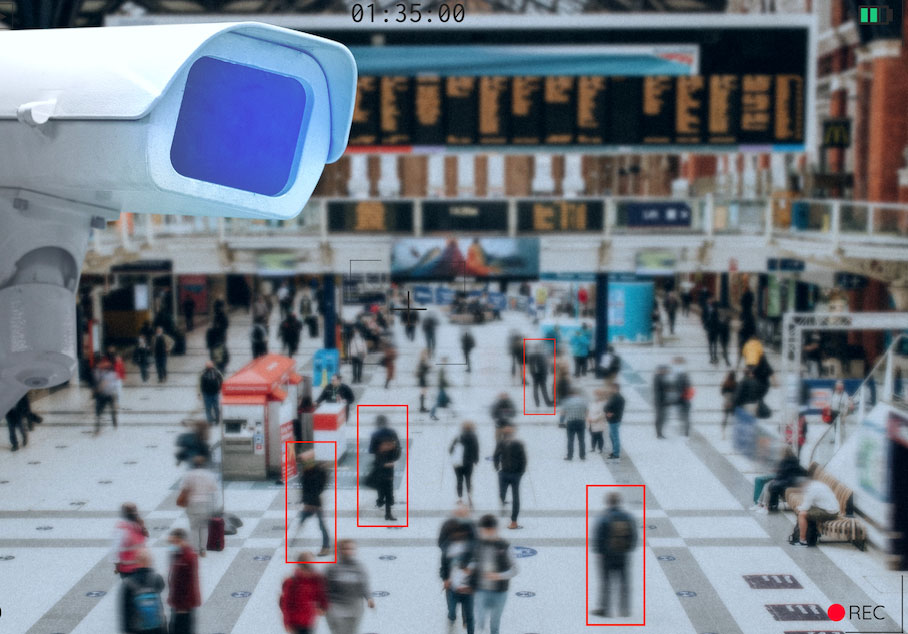
Centralized remote surveillance powered by AI

Centralized surveillance unlocks a wide range of smart features, particularly beneficial in areas with heavy foot traffic:

  1. Crowd Density Monitoring & People Counting: Track real-time footfall and identify overcrowded zones to prevent congestion or potential hazards.
  2. Heatmapping & Flow Optimization: Analyze movement patterns to guide signage, improve space design, or dynamically control access during peak hours.
  3. Anomaly & Behavioral Detection: Detect irregular behavior, such as loitering, panic movements, or aggressive gestures, before incidents escalate.
  4. Unattended Object Recognition: Spot luggage or items left behind, triggering alerts for potential security threats or loss prevention.
  5. Facial Recognition for Watchlists: Identify persons of interest in large crowds, useful for stadium security, transport hubs, or major events (with appropriate privacy compliance).
  6. Integrated Emergency Response: Trigger evacuation protocols, send instant alerts to on-site teams, or broadcast instructions through PA systems, all from one platform.

Where This Matters Most in Saudi Arabia.

  • Religious Sites – Managing millions of pilgrims during Hajj and Umrah with drone surveillance, thermal cameras, and AI-based monitoring.
  • Public Transit Hubs – Metro stations, airports, and bus terminals benefit from layered monitoring and flow control.
  • Retail & Commercial Centers – Unified surveillance for multiple locations across cities supports loss prevention and safety.
  • Mega Events & Giga-Projects – Large-scale gatherings such as Diriyah Season, Expo events, or NEOM showcase zones demand real-time, centralized security.

Implementation: How to Start.

Adopting centralized surveillance isn’t just about installing new cameras—it’s about building a cohesive ecosystem:

  • Audit and map high-risk or high-flow zones
  • Integrate existing CCTV infrastructure into a centralized VMS
  • Deploy AI analytics for smarter event detection
  • Partner with experienced systems integrators to ensure scalability and compliance

From Visibility to Control.

The shift toward centralized remote surveillance isn’t just a trend it’s becoming essential for governments, developers, and private operators tasked with safeguarding crowded environments. With smart technologies and a unified strategy, Saudi Arabia can continue to lead in creating secure, intelligent spaces for its citizens and visitors.

Need to explore centralized surveillance for your facility or city?
Our experts are here to help you design intelligent systems that give you more than just visibility; they give you control.

Contact Our Experts

Open post
Worker looking at iPad at a substation

Prevent the Next Shutdown: How Utilities Can Stay Resilient with AI-Enabled Security Systems

What Happens When Utility Infrastructure Is Left Unprotected Against Evolving Threats?

Utility providers, whether in electricity, water, gas, or telecommunications, operate at the intersection of critical infrastructure and national security. Their facilities span vast geographies, often in harsh or remote environments, making them attractive targets for both cyber and physical threats. The growing attack surface, along with regulatory pressure and aging infrastructure, is forcing operators to rethink how they secure, monitor, and maintain their networks.

At MVP Tech – A www.convergint.company, we approach utilities security beyond deploying cameras or sensors. It’s about engineering integrated, intelligent ecosystems that combine physical security, operational technology, and artificial intelligence to deliver real-time visibility, proactive response, and system-wide resilience.


Why Systems Integration is Key in Utilities.

Utility environments are complex. Substations, pumping stations, control rooms, transmission lines, and treatment facilities each carry distinct operational requirements and threat profiles. Many of these sites are unmanned, run continuously, and are located in remote or harsh environments, conditions that make conventional, standalone security systems inadequate.

The role of a systems integrator is to unify these disparate technologies, video surveillance, access control, intrusion detection, SCADA and OT network integration, AI analytics, and communication systems into a centralized, cohesive platform. This integration enables centralized control, better situational awareness, and faster, data-driven response across all operational layers.

MVP Tech specializes in designing and implementing integrated solutions for mission-critical sites across the region, including high-voltage power grids, desalination plants, and pipeline infrastructure. By engineering solutions that are scalable, redundant, and AI-enabled, we help operators manage risk and compliance in real time.


AI Security Applications That Are Changing the Game.

Security team watching security monitors along with AI

AI has become a strategic asset in utility security, automating detection, filtering noise, and predicting potential failures before they become incidents. Here are the top AI applications systems integrators deploy for securing utility assets:

  1. AI-Powered Video Surveillance with Real-Time Object Recognition

Modern video management systems use deep learning to identify people, vehicles, and behavior patterns with high accuracy. Unlike basic motion-triggered alerts, AI-enabled video analytics can:

  • Distinguish between human and non-human movement.
  • Detect loitering or unauthorized access in restricted zones.
  • Trigger alerts for fence jumping, tailgating, or perimeter crawling.
  • Recognize vehicles parked for too long near critical assets.

These analytics are integrated into centralized dashboards, reducing operator fatigue and ensuring actionable responses, not just footage playback.

  1. Perimeter Intrusion Detection Using AI Sensor Fusion

By combining radar, thermal imaging, ground sensors, and video analytics, AI models can detect and classify threats in real time, even in poor visibility or low-light conditions. Machine learning filters out false alarms (e.g., wind-blown debris) and escalates only high-confidence events.

In remote substations or gas fields, this is critical. Systems can automatically correlate data across multiple sensors to confirm a real intrusion, activating deterrents such as lights, sirens, or even dispatching drones for visual confirmation.

  1. SCADA Anomaly Detection and OT Network Monitoring

Utility networks rely heavily on SCADA systems, which were not designed with cybersecurity in mind. AI-based monitoring tools learn the expected behavior of OT devices, voltage levels, data traffic, command sequences, and flag deviations that might indicate a cyberattack or malfunction.

These alerts can be fed into SIEM platforms or command centers to provide a single pane of glass that merges physical and cyber alerts, enabling faster incident response.

  1. Automated Drone Surveillance for Remote Inspections

AI-equipped drones can be programmed to patrol power lines, solar farms, or oil pipelines, capturing high-resolution thermal and visual data. Real-time video feeds are analyzed for asset damage, overheating, vegetation encroachment, or unauthorized access.

As integrators, we deploy these systems to work in tandem with ground-based alarms. For instance, if a seismic sensor detects ground movement, drones can be launched autonomously to verify the cause, whether it’s trespassing or equipment disturbance.

  1. Facial Recognition and Multi-Factor Access Control

For high-security zones like control centers or data facilities, AI-enabled facial recognition ensures only authorized personnel gain access. When integrated with access control systems, time logs, and visitor management platforms, it enables:

  • Real-time identity verification.
  • Anti-passback and tailgating prevention.
  • Audit trails for compliance reporting.

Some utilities also use AI to detect fatigue or PPE compliance, ensuring safety protocols are followed before access is granted.

  1. Predictive Maintenance and Asset Health Monitoring

While primarily an operations function, predictive maintenance has a major role in risk reduction. AI models process data from equipment sensors, temperature, vibration, current, and flow to forecast failures before they happen. A pump overheating or a transformer showing abnormal load can be flagged early, avoiding costly shutdowns or safety incidents.

Integrating this data into the central command platform gives operators complete visibility, merging security and operational data in one place.


Delivering End-to-End Utility Security with Engineering Depth.

At MVP Tech – Convergint, we don’t just deploy technology; we engineer outcomes. Our deep bench of engineers, project managers, and support teams understands the criticality of utilities and the nuances of each site. Whether the requirement is securing an offshore pumping station or a high-voltage control center in the desert, we apply a tailored, engineering-first approach.

We work with global technology partners to deliver best-in-class solutions, from AI analytics platforms and command-and-control software to hardened field devices and long-range surveillance. More importantly, we provide lifecycle support, preventive maintenance, and continuous system upgrades to ensure long-term value.


Final Words.

Securing utilities in the current threat landscape is no longer about reacting; it’s about anticipating. Through intelligent systems integration and AI-driven solutions, utility providers can gain real-time control, ensure safety, and meet compliance, while maintaining uninterrupted service for the communities they serve.

At MVP Tech – Convergint, we bring the scale, expertise, and local delivery capability to turn complex utility security challenges into engineered, reliable systems.

Explore our Energy Solutions

Open post
Mature businessman laughing while sitting with a diverse group of coworkers during a meeting in an office

Convergint Earns U.S. News & World Report’s 2025-2026 ‘Best Company To Work For’ Recognition

Convergint Earns U.S. News & World Report’s 2025-2026 ‘Best Company To Work For’ Recognition

For the second consecutive year, Convergint has been named a ‘Best Company to Work For’ by U.S. News

Convergint, a global systems integrator, has been named a U.S. News & World Report 2025-2026 “Best Company to Work For,” earning recognition in the Real Estate and Facilities Management category. Convergint has received this recognition from U.S. News for a second year in a row, a reflection of the company’s long-standing Values & Beliefs and the role colleagues play in powering its positive culture.

This year’s award was based on U.S. News’ independent review of nearly 1,100 privately held companies and non-profit organizations across the United States. The evaluation draws from publicly available information to assess how organizations prioritize and support employee experience.

“Being named a ‘Best Company to Work For’ for two years in a row is a testament to the strong vision, values, and culture that have been integral to the foundation of Convergint since day one,” said Ann Fandozzi, CEO, Convergint.

“Our colleagues are the backbone of Convergint’s success, and we’re deeply invested in creating a workplace where everyone feels supported, inspired, and genuinely valued.”

To determine the best workplaces, U.S. News’ editorial team analyzed employee perceptions across six factors that are important to employee well-being: quality of pay and benefits, work-life balance and flexibility, job and company stability, physical and psychological comfort, belongingness and esteem, and career opportunities and professional development. Only companies that landed in the top 25% of their industry and region earned a place on the list.


About Convergint

Convergint is a $2.6 billion global, industry-leading systems integrator that designs, installs, and services electronic security, cybersecurity, fire and life safety, building automation, and audio-visual systems. Listed as the #1 systems integrator in SDM Magazine’s Top Systems Integrators Report for the past 6 years and a U.S. News & World Report ‘Best Company to Work For,’ Convergint leads with over 10,000 colleagues and more than 220 locations worldwide. To learn more about Convergint, visit www.convergint.com.

Open post
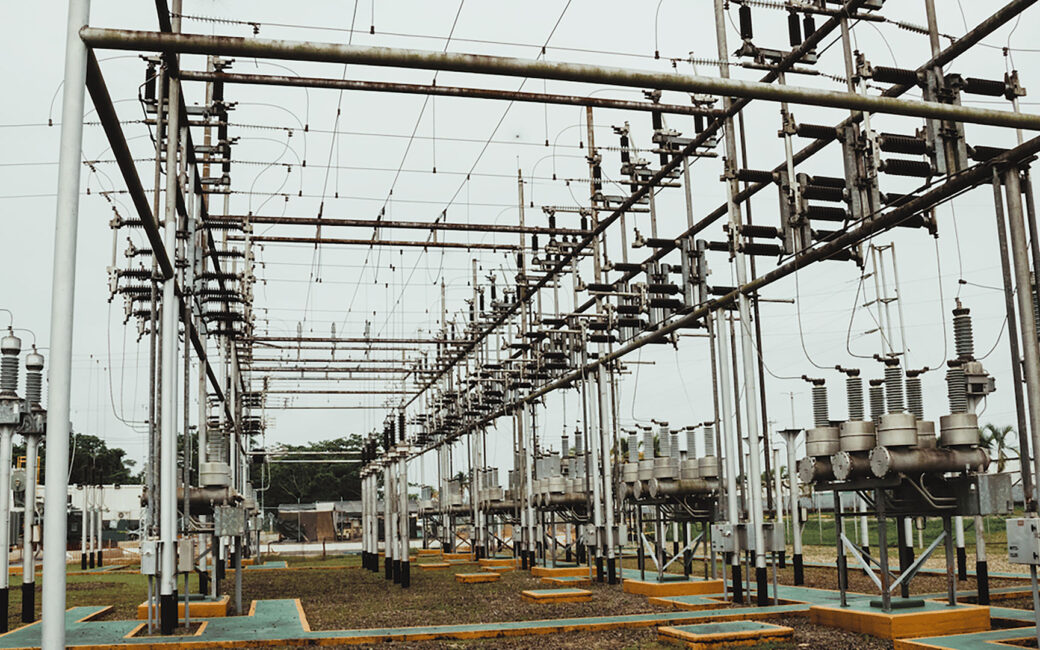
Energy grid substation

AI-Driven Security for Critical Sites: Building Resilient Smart Cities of Tomorrow

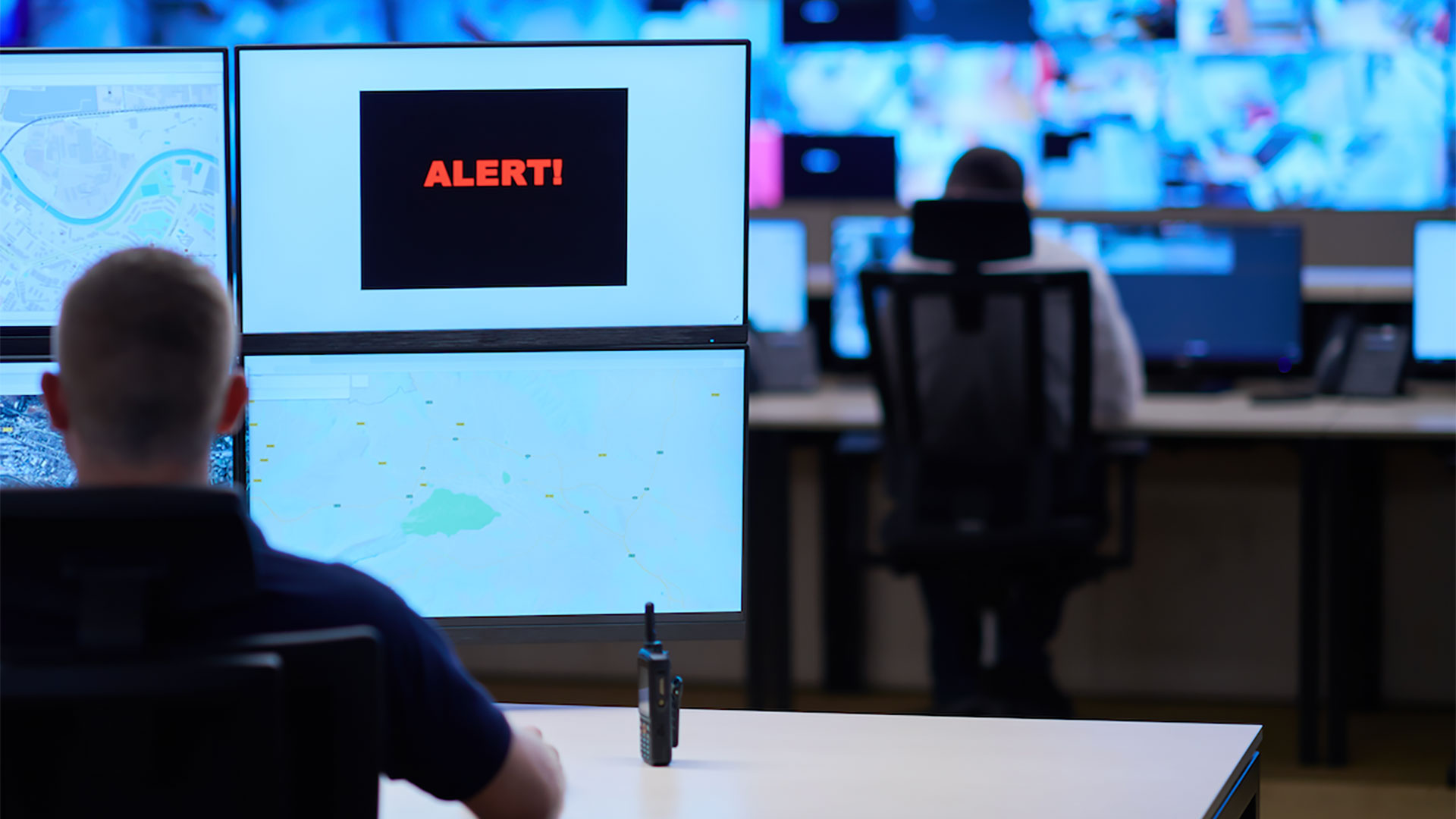
Security team watching surveillance monitors

The Urgency of Change

Why now?

This is the question many public sector leaders are asking as cities expand, populations grow, and threats become more complex. Traditional, reactive security systems, built on fragmented siloes and outdated infrastructure, are no longer viable. The evolution is clear: governments must shift toward centralized, AI-powered ecosystems that provide real-time awareness, interoperability across ministries, and the agility to respond to modern-day risks.

In this blog, we’ll explore how national security is transforming across the Middle East and beyond, and what it takes to build smart, scalable, and future-ready systems.


1- Why Do Governments Need AI-Powered Ecosystems Now?

Population growth. Urban expansion. Increased complexity.

Across the GCC and wider MENA region, governments are investing heavily in infrastructure, from transportation and utilities to smart buildings and public services. But as cities grow smarter, the security systems protecting them must grow smarter too.

Legacy surveillance or access control systems, operating in isolation, don’t offer the situational awareness needed for real-time decision-making. They create blind spots and inefficiencies, especially when every second counts. That’s where AI-powered ecosystems come in.

With centralized platforms fueled by machine learning and edge AI, authorities can:

  • Detect threats proactively through pattern recognition and behavioral analytics
  • Synchronize data across agencies and departments
  • Minimize response times through automated alerts and decision support systems
  • Ensure compliance, data protection, and operational continuity at scale

In short, it’s no longer a question of “if “AI will be part of national protection strategies; it’s “how” fast governments can deploy it.


2- From Siloed to Centralized: Designing Smart Security Infrastructure.

What does it take to break the siloes between ministries and national entities?

A successful centralized security architecture must be:

  • Modular to integrate legacy systems and allow gradual upgrades
  • Interoperable across agencies, law enforcement, utilities, defense, transport
  • Data-centric, using AI to transform raw feeds into actionable insights
  • Resilient enough to maintain performance in remote, resource-constrained locations

In the Middle East, we’ve already seen real-world impact. Recent government-led initiatives are embracing centralized control rooms and AI-based platforms that:

  • Improve coordination between border security, municipal safety, and critical infrastructure
  • Optimize workforce deployment and reduce false alarms
  • Increase operational visibility through a unified dashboard across command centers

This isn’t just an upgrade, it’s a strategic shift in how nations perceive and manage security.


3- Why the Edge Matters: Delivering AI Where It Counts.

Why is the edge the new frontline for national protection?

AI at the edge, processing data where it’s generated, has become essential for high-stakes environments like:

  • Border crossings and immigration points
  • Energy production and distribution facilities
  • Smart airports and transportation terminals

When milliseconds matter, sending data to the cloud and back sometimes can be too slow and too risky. Purpose-built edge AI hardware enables:

  • Low-latency decision making in mission-critical zones
  • Reduced cloud dependency, lowering bandwidth costs, and improving security
  • Real-time anomaly detection even in areas with limited connectivity

For example, a border zone equipped with edge AI cameras can instantly flag suspicious vehicle behavior, cross-check databases, and alert nearby patrols, all without waiting on cloud processing.

This kind of intelligence at the perimeter transforms response from reactive to preventive.


4- Overcoming Legacy Infrastructure and Integration Hurdles.

But what about the existing systems? Isn’t it too complex to modernize?

One of the biggest barriers governments face is integrating AI into legacy systems, often spread across agencies, with different standards, suppliers, and protocols.

That’s where specialized systems integrators come in. At MVP Tech – A www.convergint.company, Our approach involves:

  • Digital twin modeling to visualize infrastructure and integration points
  • Gradual migration plans that avoid operational downtime
  • Edge-to-cloud compatibility so that modernization doesn’t mean replacement

We’ve seen firsthand that success doesn’t require ripping and replacing; it requires smart planning, stakeholder buy-in, and the right partners.


5- Scaling for the Future: Building Evolving, Adaptive Security.

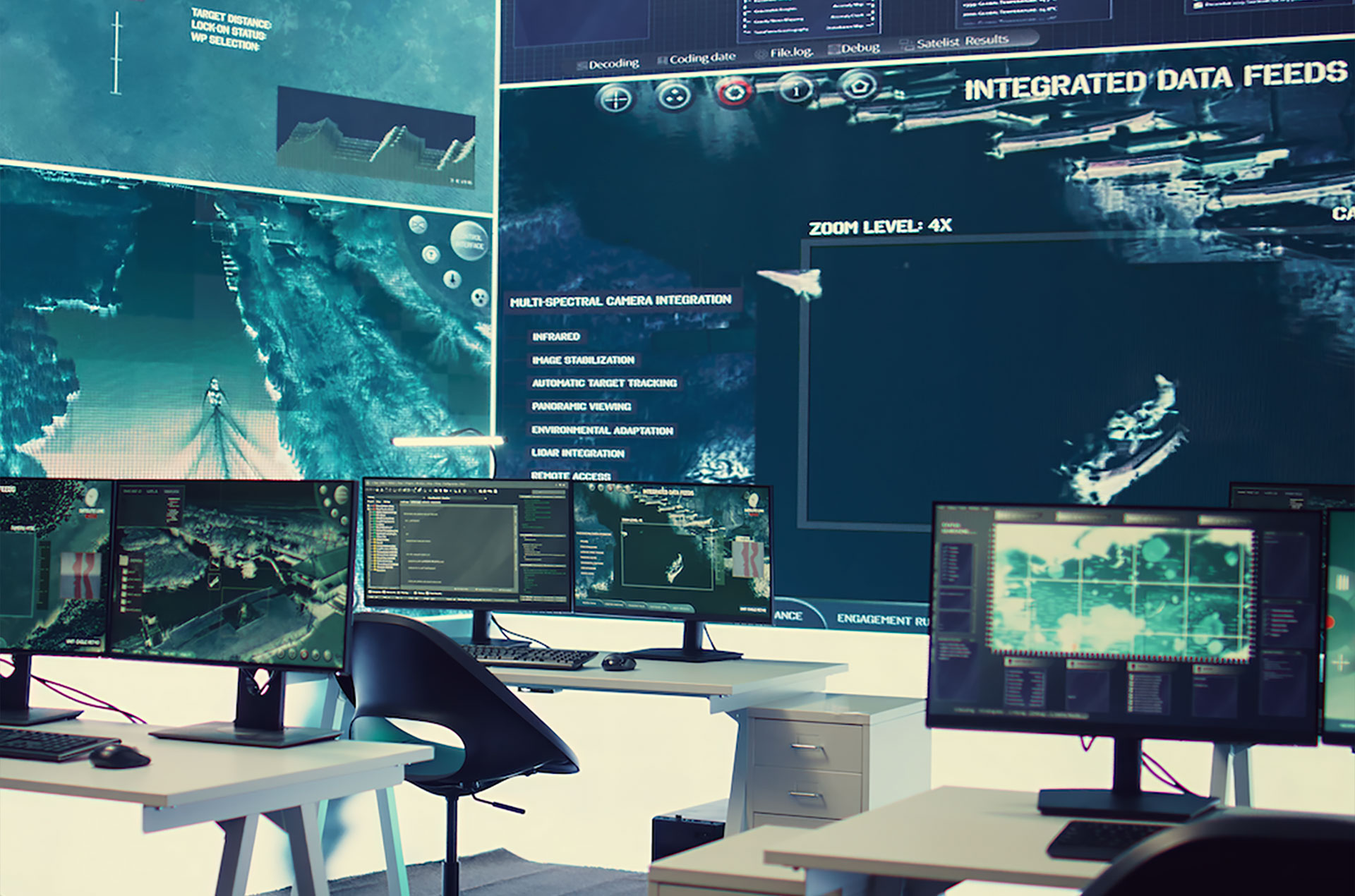
AI-driven command room

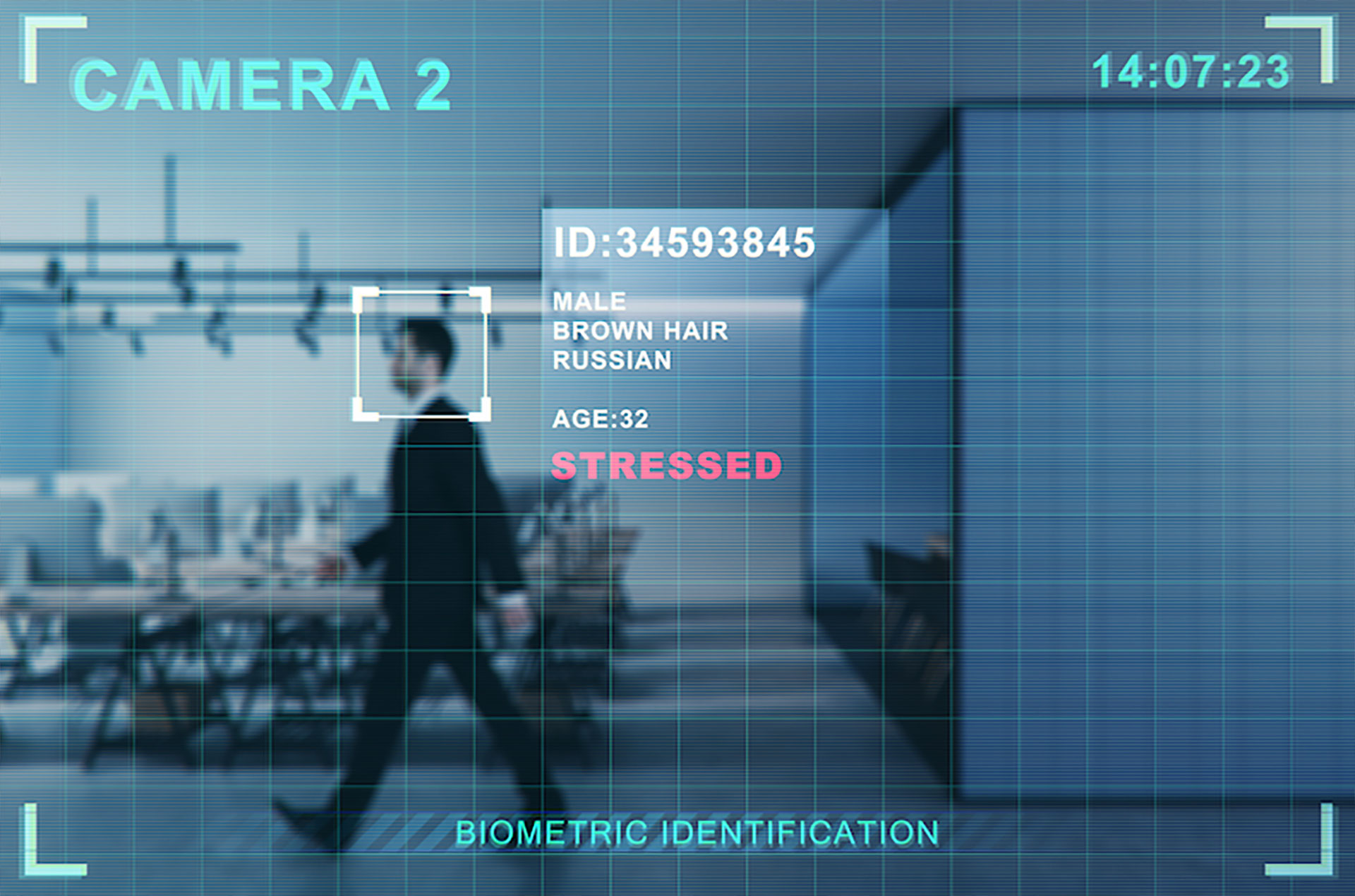
AI-driven analytic data captured from a man walking

Birds-eye view of city’s freeway ramps

How do we build systems that evolve with threats, compliance, and AI models?

AI doesn’t stand still, and neither do the threats governments face. Future-ready security platforms must be:

  • Updatable, with the ability to ingest new AI models
  • Compliant, adaptable to regional regulations and data localization
  • Open, to support integration with next-generation technologies like drones, robotics, or predictive maintenance systems

Across the Middle East, we’re seeing a clear trend: governance is becoming tech-driven. Ministries are issuing mandates for unified control systems, real-time analytics, and public-private collaboration to build resilient digital infrastructure.

The question now is not whether governments will invest in AI, but how they will scale it securely and sustainably.


6- The Road Ahead: A National Security Blueprint for Smart Cities.

So what does the future look like?

Imagine this:

  • A national command center where AI aggregates inputs from thousands of endpoints
  • Border zones that auto-detect threats and notify centralized control in real time
  • Utility networks that identify risks before they disrupt operations
  • Inter-agency collaboration where every decision is data-driven and timely

This is the future being framed today!


Conclusion: Join the Conversation.

AI-powered ecosystems are no longer a luxury; they are a necessity in national security. As smart cities rise, governments must evolve their protection strategies to match the complexity of modern life. That’s why we’re gathering public safety leaders, systems architects, and edge AI pioneers in our upcoming webinar: “AI-Enabled Security: Centralizing Intelligence for Government and Critical Infrastructure Together”

With Blaize – a leading provider of AI edge computing technology. We’ll explore how to shift from siloed systems to synchronized security. Whether you work in defense, infrastructure, city planning, or tech strategy. This is the conversation shaping the next era of national resilience.

Register today and be part of the blueprint for smarter, safer nations.

Register Now

Open post
Outdated Security Systems

Outdated Security Systems Are Putting Cities at Risk

Let’s face it, cities are getting smarter, but are their security systems keeping up?

Across the Middle East, governments are investing in infrastructure at an incredible pace. From transport hubs to smart utilities, everything’s connected. But if the systems that protect these assets are outdated or disconnected, the risks grow just as fast.


So, what’s the answer? Centralized, AI-driven security.

Outdated, reactive systems can’t match today’s speed or complexity. We need platforms that can analyze data in real-time, connect across departments, and make smart decisions instantly, especially when every second matters.


What Makes AI-Powered Security So Effective?

  1. It’s Proactive
    AI doesn’t wait. It detects threats by spotting patterns and anomalies before they escalate.
  2. It’s Connected
    No more siloed systems. Security teams, city services, and infrastructure operators can finally work from the same playbook.
  3. It’s Fast
    With edge AI, decisions happen where the data is, on the ground, not in the cloud. That means faster response and fewer blind spots.

But What About Legacy Systems?

That’s a big question for many government leaders. The good news? You don’t need to start over.

Modern AI ecosystems are modular and integration-friendly. They’re designed to plug into existing infrastructure, scale gradually, and evolve over time, without downtime or disruption.


Why Now? Why Urgently?

  • Cities are growing rapidly.
  • Threats are becoming more complex.
  • Data is everywhere, but often unused.

The longer governments wait to modernize, the harder it becomes to keep up, not just with threats, but with regulatory demands and citizen expectations.


A Glimpse Into the Future.

  • Border zones detect threats automatically and alert patrols in real time
  • Utility networks flag issues before outages happen
  • A national control room gets a unified view of everything instantly

This isn’t fiction. It’s happening now, and governments that act early will be the most resilient tomorrow.


Let’s Talk About It.

We’re hosting a webinar on this exact topic: “AI-Enabled Security: Centralizing Intelligence for Government and Critical Infrastructure” in partnership with Blaize, leaders in edge AI computing.

If you’re in city planning, infrastructure, public safety, or defense, this conversation is for you.

Open post
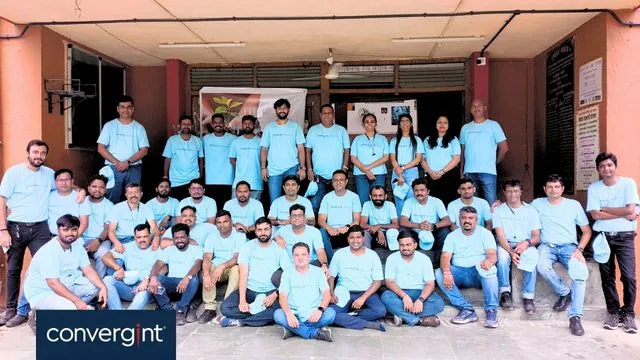
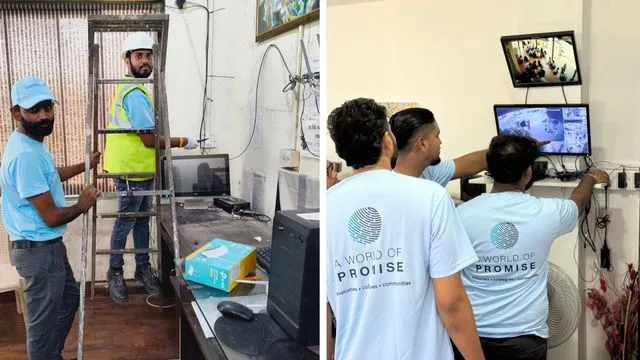
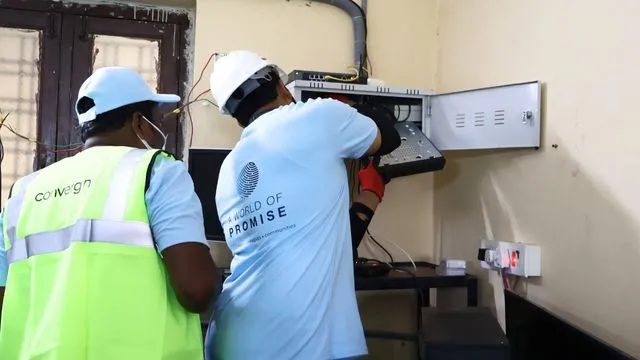
Convergint’s India team feeding children at school

Safer Schools, Stronger Communities: Convergint’s Social Responsibility Day Powers School Safety in India

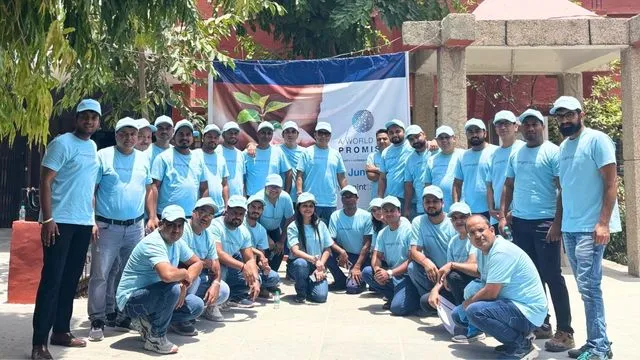
Convergint’s India Team

As part of Convergint’s 24th Annual Social Responsibility Day, more than 300 colleagues across India came together to support underserved communities and enhance safety infrastructure in local schools. The initiative aligns with Convergint’s ongoing global commitment to service and social impact, with over 11,000 colleagues participating worldwide across 37 countries.

In India, Convergint teams collectively volunteered over 1,800 hours to support the company’s STEP Up for Schools initiative—an effort focused on improving safety, accessibility, and learning environments for students in need. India’s efforts were part of a broader global movement that impacted 174 community organisations and 35 schools.


Delivering Local Impact: STEP Up Projects in India.

This year’s India projects centered around providing integrated security technologies and facility upgrades at key educational institutions:

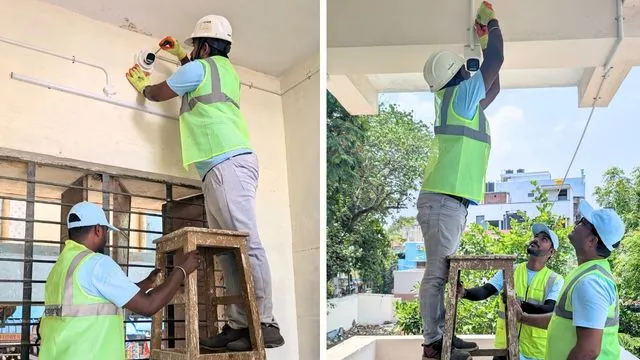
  • Captain Chandan Lal Special Middle School for the Blind, Gurugram- Convergint installed video surveillance systems to improve security, while also supporting the school’s beautification through painting and landscaping work.
  • PM SHRI School, Ulwe, Navi Mumbai- Teams upgraded the existing video surveillance infrastructure with five new cameras and donated essential supplies including a refrigerator, bookshelves, notice boards, and a Wi-Fi router to enhance the school’s learning environment.
  • Government Model Higher Secondary School, Arumbakkam, Chennai- A new video surveillance system was installed and commissioned, significantly strengthening campus safety for students and staff.

Speaking about the initiative, Bhashkarvikram Rajkhowa, General Manager, North India, Convergint Asia Pacific, said, “The STEP Up for Schools initiative embodies our belief that every child deserves to learn in a safe and supportive environment. By partnering with schools through critical security upgrades and infrastructure support, we’re helping create inclusive spaces where students and educators can thrive. At Convergint, social responsibility isn’t just a one-day event; it’s a commitment we uphold throughout the year to drive lasting change in the communities we live and work in.”

As part of Convergint’s Social Responsibility Day, the company continues to advance its STEP Up for Schools initiative—an ongoing global effort to create safer learning environments for students and educators. This impactful program focuses on supporting underserved schools by providing essential security upgrades and hands-on assistance tailored to each campus’s unique safety needs.

Since the launch of Convergint’s Social Responsibility Day in 2002, the company has dedicated one full working day annually on the first Friday in June allowing colleagues to serve their local communities. To date, more than 100+ STEP Up projects have been completed by Convergint and its partners, impacting communities globally. In India alone, five projects since last year have been implemented, positively impacting 2,000–2,500 individuals and community spaces across multiple states.

In India and across the globe, Convergint remains committed to delivering real-world impact through sustained, values-driven action.


Photo highlights of the India team.

Convergint’s India Team

Convergint’s India Team

Convergint’s India Team

Convergint’s India Team

Convergint’s India Team

Convergint’s India Team

Convergint’s India Team

Convergint’s India Team

Convergint’s India Team

Convergint’s India Team


About Convergint Social Responsibility Day.

At the core of Convergint’s thriving culture of service is the annual Convergint Social Responsibility Day. Since 2002, on the first Friday in June, ‘the company dedicates one full, paid workday to enable colleagues to serve in their communities through various service projects. Through initiatives focused on giving back and creating meaningful change, Convergint strives to inspire colleagues to surpass what they believe is possible. Whether through volunteer efforts, innovative projects, or acts of kindness, Convergint aims to leave a lasting impact that uplifts and empowers communities.


About Convergint.

Convergint is a $2.6 billion global, industry-leading systems integrator that designs, installs, and services electronic security, cybersecurity, fire and life safety, building automation, and audio-visual systems. Listed as the #1 systems integrator in SDM Magazine’s Top Systems Integrators Report for the past 7 years, Convergint leads with over 10,000 colleagues and more than 220 locations worldwide.

Explore Social Responsibility At Convergint India

Open post
Thousands of Convergint Colleagues Revitalize Hundreds of Communities and Increase School Safety Globally for Annual Day of Service

Thousands of Convergint Colleagues Revitalize Hundreds of Communities and Increase School Safety Globally for Annual Day of Service

Thousands of Convergint Colleagues Revitalize Hundreds of Communities and Increase School Safety Globally for Annual Day of Service

Convergint’s 24th Annual Convergint Social Responsibility Day and STEP Up for Schools Initiative Benefit Underserved Communities and Needs of People Around the World

Today, more than 174 community organizations and 35 schools across 37 countries globally are stronger as nearly 11,000 volunteers from Convergint, a global systems integrator with 220 locations worldwide, volunteered approximately 60,000 hours of their time for the company’s 24th annual Convergint Social Responsibility Day.

This year’s efforts include support from over 30 partners across the industry who also volunteered their time and over $639,000 in donations of goods and services. The day also includes donations of security technology to over 20 schools as part of the organization’s STEP Up for Schools initiative — a vital program to create safer learning environments for students and educators across the globe.

“We are proud that today, and for nearly a quarter of a century, our colleagues and industry partners come together in just a 24-hour span as a greater force of good to give back to our communities,” said Ann Fandozzi, CEO, Convergint.

“Helping address unmet needs in the communities where Convergint colleagues and their families reside – including secure, safe educational environments to foster positive experiences for the next generation – is core to our values.”

In conjunction with Convergint Social Responsibility Day, the company continues its STEP (Secure, Train, Educate, Protect) Up for Schools Initiative to create safer learning environments for students and educators across the globe – a critical effort that supports underserved schools by donating critical security upgrades and hands-on assistance to help meet the unique safety needs of each campus. From installing new intrusion detection and video camera systems to helping with infrastructure improvements and other security and safety services, Convergint teams are working side by side with local partners and educators to build more secure, welcoming spaces where learning can thrive.

To date, more than 100 STEP Up projects have been completed by Convergint and its partners, impacting communities globally. STEP Up projects underway around the world this year include:

  • U.S. – Multiple projects across the country in Baltimore, MD; Knoxville, TN; Dallas, TX; Englewood, CO; Nashville, TN; San Diego, CA; and San Francisco, CA. For example, Colorado’s Finest High School of Choice, serving over 300 students in Englewood, CO, is receiving 28 new cameras, 15 speakers, vape and aggression sensors, card reader and lockdown technologies.
  • India – Captain Chandan Lal Special Middle School for the Blind in Gurugram is receiving an installation and donation of CCTV systems as well as painting and landscaping refurbishments.
  • Thailand – Wat Sabok Khiao School in Nakhon Nayok will receive installation and donation of a solar pole, providing light source to illuminate the area as most students ride their bicycle to school, and food for 58 students and faculty.

While Convergint Social Responsibility Day has an impact around the globe, in the US alone over 5,000 Convergint volunteers came together, spending over 43,000 hours of their time supporting over 90 community organizations.


About Convergint Social Responsibility Day and STEP Up for Schools

Since 2002, on the first Friday in June, for Convergint Social Responsibility Day (CSRD) the company closes for a full, paid workday so that colleagues can serve in their communities through various service projects. Convergint established its STEP Up for Schools Initiative as part of CSRD to help strengthen school security. Through the program, Convergint provides free safety and security installations, upgrades, and assessments to underserved schools across the globe. These initiatives are aimed at giving back and creating impactful change in communities around the world, and Convergint Social Responsibility Day strives to inspire all colleagues to surpass what they believe is possible. To learn more about Convergint’s STEP Up for Schools program and apply, visit: https://www.convergint.com/stepup/

About Convergint

Convergint is a $2.6 billion global, industry-leading systems integrator that designs, installs, and services electronic security, cybersecurity, fire and life safety, building automation, and audio-visual systems. Listed as the #1 systems integrator in SDM Magazine’s Top Systems Integrators Report for the past 6 years, Convergint leads with over 10,000 colleagues and more than 220 locations worldwide. To learn more about Convergint, visit www.convergint.com.

Open post
handshake, successful, congratulating, shaking

Convergint Acquires Digital Visions, Expanding the Security Business Across Cincinnati, Ohio, and the Midwest

Digital Visions acquisition graphic

Acquisition Positions Convergint for Further Growth, Bolstering Capabilities in the Logistics, Municipal, and K-12 Education Markets

Convergint, a global leader in service-based systems integration, has announced the acquisition of Digital Visions, a prominent provider of electronic security design and installation services. Based in Cincinnati, Ohio, Digital Visions strengthens Convergint’s reach across Ohio and the Midwest in the K-12 education, state and local government, and logistics sectors.

“With the addition of Digital Visions’ proficient team, this acquisition fortifies Convergint’s electronic security experience, deepens our customer relationships, and expands our network of regional expertise,” said Sean Flint, President of Americas at Convergint.

“Importantly, our companies are like-minded in our focus on people-first, integrity, and service. We’re confident our aligned cultures will foster seamless integration and empower our combined teams to deliver even more impactful results for our customers.”

“Our team has always believed in building long-term relationships through trust, accountability, and exceptional service, principles that positively align with Convergint’s culture,” said Dylan Fager, CEO at Digital Visions. “We’re excited to join forces and build on this tradition, as we grow together to meet the increasing security needs throughout the Midwest.”

Digital Visions colleagues will bring diverse security expertise to Convergint in areas including access control, video management, and intrusion detection technologies—especially within the logistics, state, and education markets.


About Convergint

Convergint is a $2.6 billion global, industry-leading systems integrator that designs, installs, and services electronic security, cybersecurity, fire and life safety, building automation, and audio-visual systems. Listed as the #1 systems integrator in SDM Magazine’s Top Systems Integrators Report for the past 7 years, Convergint leads with over 10,000 colleagues and more than 220 locations worldwide. To learn more about Convergint, visit www.convergint.com.

Open post
abstract blurred image of doctor and patient people in hospital

Convergint Acquires Fiber Solutions, Expanding Security and AV Business Across Southeast U.S.

Fiber Solutions

Acquisition Positions Convergint for Growth in Fort Myers and Nashville, Bolstering Capabilities in Healthcare and Commercial Markets

Convergint, a global leader in service-based systems integration, today announced its acquisition of Fiber Solutions, a leading integrator that specializes in the design, installation, and maintenance of fiber optic, structured cabling, electronic security, and audio/video networks. Headquartered in Fort Myers, Florida, with operations in Nashville, Tennessee, Fiber Solutions enhances Convergint’s presence in this Southeast region, expanding its capabilities in the healthcare and commercial sectors.

The addition of Fiber Solutions’ experienced team reinforces Convergint’s ability to deliver comprehensive infrastructure, network, and life safety solutions, while deepening customer relationships and expanding its network of regional partners.

“The cultural similarities Convergint and Fiber Solutions are undeniable, and we have always been impressed with their dedicated team and best-in-class service,” said Sean Flint, President of Americas, Convergint.

“Their experienced and highly trained frontline colleagues will further strengthen our operational expertise and service capacity across the region.”

“By joining forces with Convergint, we’re able to provide local clients with additional resources and capabilities—while also supporting national accounts utilizing Convergint’s global footprint,” said Rodney Lavoie, CEO, Fiber Solutions. “Convergint’s culture of service and safety aligns seamlessly with our own values, and together, we remain deeply committed to equipping our teams with the tools, training, and resources needed to deliver every project safely and successfully.”


About Convergint

Convergint is a $2.6 billion global, industry-leading systems integrator that designs, installs, and services electronic security, cybersecurity, fire and life safety, building automation, and audio-visual systems. Listed as the #1 systems integrator in SDM Magazine’s Top Systems Integrators Report for the past 7 years, Convergint leads with over 10,000 colleagues and more than 220 locations worldwide. To learn more about Convergint, visit www.convergint.com.

For previous Fiber Solutions customers

If you need service, please complete the form below.

Submit service request

Open post
Energy Grid & Substations

A Guide to Leveraging Advanced Video and Sensor Intelligence in Utilities: 10 Ways to Enhance Key Performance Metrics

Two utility leaders reviewing plans

Data is at the heart of every business decision and for utility leaders, it’s crucial for driving growth, managing risks, ensuring regulatory compliance, and fostering innovation. But without real insights, even the best strategies fall short. Utilities need real-time visibility into their operations to keep critical systems online, optimize operations, and protect their workforce.

Advanced sensors and video systems, often deployed by security teams, provide this critical visibility, unlocking new ways to track performance across the entire organization. This shifts the perception of security from a cost center to a strategic asset.

The reality is that advanced video and sensor intelligence powered by these devices can directly impact operational KPIs. By leveraging these tools for more than surveillance, utility leaders can drive uptime, efficiency, and workforce safety while proving long-term value to shareholders, regulators, and boards. And, by implementing KPIs designed to measure to assess strategic and financial impacts, utility teams can gain clear insights into how these investments contribute to measurable high-level outcomes.

Utility leaders using advanced video and sensor intelligence apply these ten ways to enhance KPIs across these three critical business priorities.


Maximizing Uptime.

Preventing failures, reducing downtime, and improving response times ensure continuous operations and better service delivery.

Incident Detection & Response Time
Faster detection of security breaches, equipment failures, and environmental hazards reduces service disruptions and minimizes operational risks.

Predictive Maintenance Effectiveness
Using thermal imaging and acoustic sensors identifies early warning signs of equipment failure, reducing reactive maintenance.

Downtime Due to Safety or Security Incidents
Tracking and minimizing downtime caused by accidents, security threats, or regulatory shutdowns improves overall system reliability.

Reduction in Unplanned Downtime
AI-driven monitoring and automation help prevent unexpected failures that lead to costly service interruptions.


Improving Operational Efficiencies.

Advanced video and sensor technology helps utilities to automate workflows, maintenance schedules, and reduce financial inefficiencies.

Operational Cost Reduction Due to Predictive Maintenance
Automating maintenance scheduling through sensor-driven insights reduces labor costs and extends equipment life.

Return on Investment (ROI)
Measuring the impact of advanced video and sensor intelligence ensures cost savings, improved system performance, and better resource allocation.

Cost Savings from Theft and Vandalism Prevention
AI-powered surveillance reduces asset loss, deters criminal activity, and lowers replacement costs.


Workforce Enhancements and Protection.

Prioritizing employee safety and ensuring adherence to regulatory compliance improves business continuity and strengthens organizational resilience.

Regulatory Compliance Adherence
Automated compliance tracking ensures utilities meet industry standards and avoid fines or shutdowns.

Incident Prevention Rate
AI-driven video and sensor analytics and real-time monitoring identify risks before they escalate, creating a safer work environment.

Insurance Premium Reduction Due to Risk Mitigation
By lowering incident rates and improving security, utilities can negotiate lower insurance costs and reduce liability exposure.


Start building your roadmap today.

Your security infrastructure is more than just a safeguard – it’s a powerful tool for operational improvement. Are you tapping into its full potential?

Contact Us

Some of our content may be sponsored by the product partners featured. We strive to ensure transparency and provide valuable content while working with trusted partners.

Effective security and safety is a multi-layered approach involving people, processes, and technologies. Convergint-provided products and services are only one part of this multi-layered approach, will not detect or prevent all threats or solve every risk, and should not be your sole method of security or safety. Please see the “IMPORTANT PRODUCT SAFETY AND SERVICE INFORMATION” documentation, available at www.convergint.com/terms, prior to using a Convergint-installed system.

Posts navigation

1 2 3 4 5 7 8 9