Open post
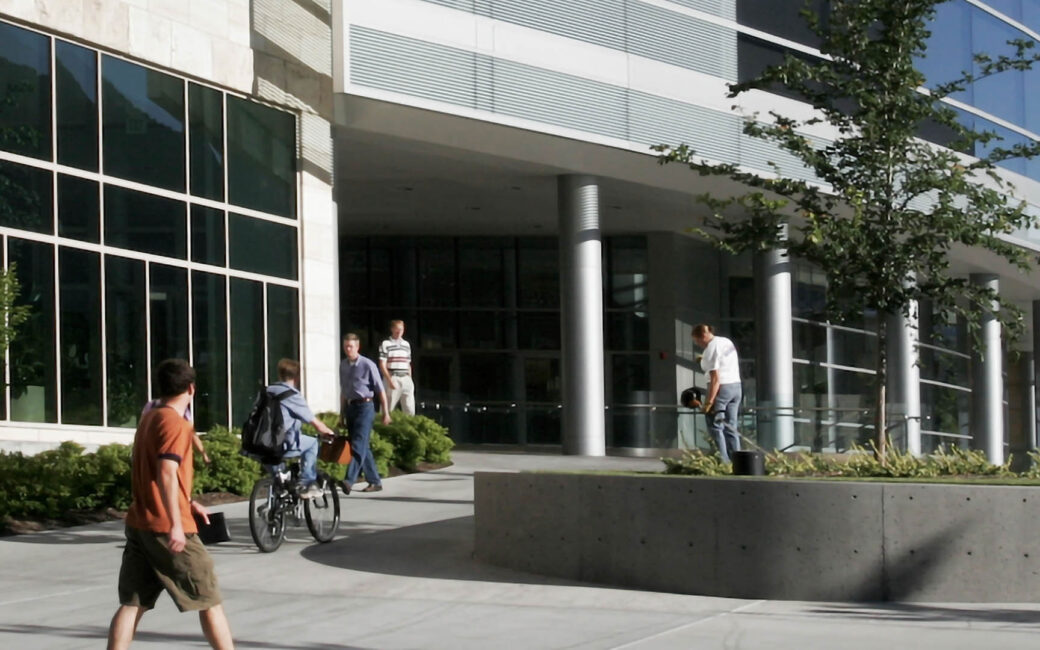
pedestrians walk by a modern building of a company

Harnessing the Power of Data-Driven Video Surveillance for Enhanced Campus Safety

Video Analytics Applications for Educational Environments for Optimal Safety

Modern educational institutions are highly complex and characterized by highly interconnected webs of campuses, buildings, systems, and people. They also face an ever-expanding threat landscape, with new security challenges emerging at lightning-fast speeds.

To deal with these threats, institutions often implement security cameras at strategic locations around their campuses. These devices are indeed essential for campus security. However, they are by no means sufficient. To effectively and continuously monitor a campus and keep its human and non-human assets safe, it’s crucial to integrate traditional security systems with video analytics.

This blog explores the benefits and applications of video analytics for educational institutions.

Here’s what it will cover:

Video Analytics: Security Applications for Educational Institutions

  • Object detection
  • Behavioral Analytics
  • Facial recognition
  • Tripwire detection
  • Crowd Management
  • Car Park Management

Benefits of Video Analytics for Educational Institutions

  • Enhanced Security Monitoring
  • Real-time incident response
  • Improved emergency preparedness
  • Cost efficiency
  • Data-driven decision making

Video Analytics: Security Applications for Educational Institutions

Integrating video cameras with video analytics can boost campus security in myriad ways.

A unified system captures real-time video footage from all connected cameras. But that’s not all. It also recognizes and indexes different activities, persons, and objects around the campus, which means it can identify everything from fights, thefts, intruders, and vandals, to overcrowding, drugs, weapons, and even suspicious vehicles. This technology enhances campus security through several applications:

  • Object Detection: The system can automatically detect and alert security personnel about unauthorized objects, such as weapons or unattended bags.
  • Behavioral Analytics: Analyzing movement patterns to spot unusual or suspicious behavior, potentially preventing incidents before they escalate.
  • Facial Recognition: Utilizing face-matching technology to quickly identify individuals who may pose a security threat.
  • Tripwire Detection: Creating virtual lines that trigger alarms if crossed, helping secure sensitive areas against unauthorized entry.
  • Crowd Management: Managing large groups of people to ensure safety and order, particularly useful during school events or in dining areas.
  • Car Park Management: Monitoring vehicle activities and occupancy in parking areas, enhancing both security and operational efficiency.

On detecting these threats, this intelligent system generates useful insights and triggers alerts that enable campus security staff to initiate appropriate action to arrest the problem and minimize damage. A smart, analytics-enabled system also makes it easier to retrieve evidence for investigating threats or security incidents. Security teams don’t have to continuously watch a screen or sift through hours and hours of video data to identify where the problem occurred or who was responsible. Instead, they can jump straight to the relevant footage to investigate and mitigate the threat as early as possible.

Some analytics-based systems include facial recognition technology to identify suspicious persons, such as known criminals. In doing so, they enable staff to act early to prevent these persons from compromising campus security. Others include crowd estimation analytics to help alleviate crowding risks, item detection analytics to identify the threats posed by static objects like bombs or weapons, and automated number plate recognition (ANPR) technology to detect unauthorized or suspicious vehicles on campus.

Systems integrators like MVP Tech – Convergint MEA can also build advanced surveillance systems with behavioral analytics capabilities. Such a system can differentiate between “normal” and “suspicious” behaviors and flag the latter to enable and accelerate further (human) investigation. It can also highlight emergency situations like injuries so operators can quickly implement the institution’s standard emergency response procedures.

Other Benefits of Video Analytics for Educational Institutions

Unlike human personnel, a smart security system with video analytics can work tirelessly 24×7 to monitor and protect the entire campus. This advanced technology brings numerous advantages:

  • Enhanced Security Monitoring: The continuous and automated monitoring ensures that all areas of the campus are under surveillance, reducing the likelihood of security breaches.
  • Real-time Incident Response: Immediate alerts to security personnel allow for quick responses to any detected threats, which is crucial in preventing or mitigating potential damage.
  • Improved Emergency Preparedness: The system’s ability to detect and analyze unusual situations helps in mobilizing the appropriate emergency responses more quickly and effectively.
  • Cost Efficiency: By reducing the need for extensive human surveillance, video analytics lowers overall security costs while enhancing coverage and response capabilities.
  • Data-driven Decision Making: Administrators receive actionable insights based on the system’s analysis, which can guide decisions regarding campus safety and resource allocation.

This system minimizes the need for large security teams as it enhances resource allocation and operational effectiveness. Since threats are automatically detected and notifications generated, security staff are immediately aware of issues needing their attention. They don’t have to continuously monitor security feeds, risking fatigue or worse, missed threats. Instead, they can focus on other tasks where their interventions and skills are critically required to maintain a safer, more secure environment for all.


Discover How Video Analytics Is Setting New Benchmarks for Security in Education

Video analytics extends the capabilities of traditional security systems, empowering educational institutions to adopt a more proactive and therefore, more effective security approach.

To know how video analytics can transform your institution’s security outcomes, join our webinar Surveillance Evolved: Smarter Solutions for Educational Institutions.
Join Our Webinar

Open post
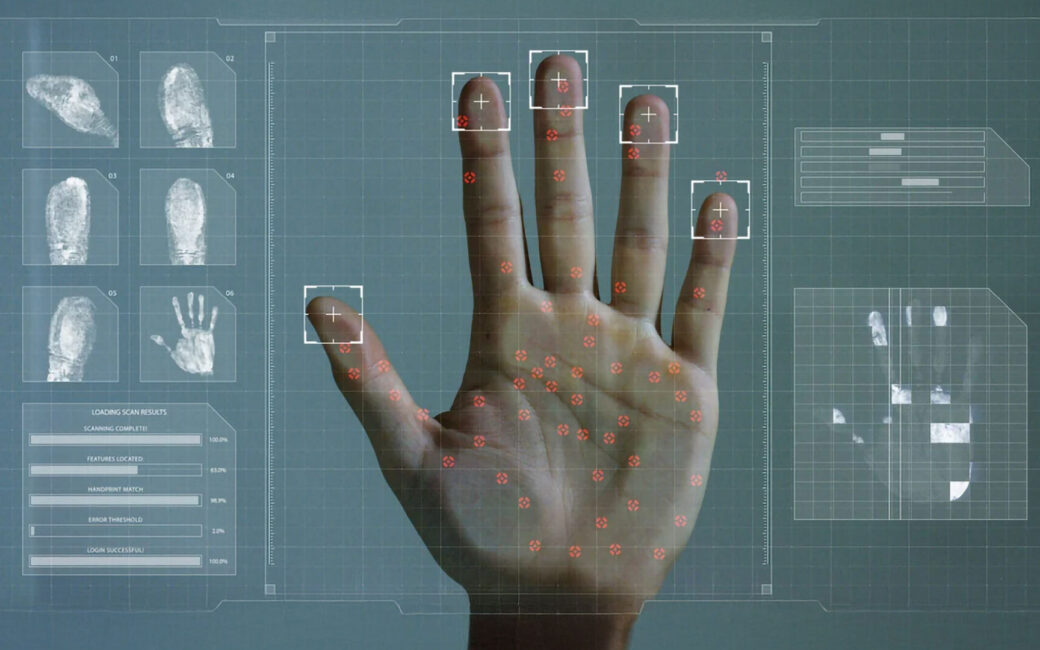
a hand pressed against a scanner with fingerprints being analyzed by the computer system and displaying in infographics and data panels

Customised Access Control Solutions: Safeguarding Healthcare Access

Security attacks on medical facilities have become increasingly common, making robust access control measures crucial for healthcare organizations. By implementing tailored access control solutions based on the latest biometrics technologies, healthcare facilities can effectively protect patient privacy, comply with regulatory requirements, strengthen their overall security posture, maintain a positive reputation, and ultimately, deliver better-quality care and support to patients.

That said, every medical facility is unique in terms of its layout, size, security challenges, and access control objectives. That’s why generic, off-the-shelf systems based on legacy technologies provide insufficient protection. In fact, such systems can even increase their risk exposure and leave them vulnerable to many threats.

To prevent such issues, healthcare organizations need customized access control solutions that seamlessly integrate into existing security infrastructures so the organization can effectively address their unique security requirements. As leading system integrators in the Middle East and Africa region, we bring in over twenty years of experience in designing, deploying, and integrating such tailored, biometrics-based solutions.

Types of Biometrics Access Control for Healthcare

Biometrics systems utilize unique human physical characteristics, such as fingerprints, iris, face, voice, and palm veins for authentication purposes. These systems provide reliable user identity verification and determine authorization based on physical characteristics that are almost impossible to steal or compromise.

Additionally, the emergence of “touchless” access control systems that utilize user’s face prints, hand waves, QR codes, or devices like key fobs offers enhanced convenience and safety without compromising security.

Benefits of Biometrics Access Control in Healthcare

Biometrics-based access control eliminates the reliance on weak authorization credentials like passwords or keycards, which can be easily compromised. Access is granted solely based on unique physical characteristics, ensuring stronger security and reducing the risk of identity theft, fraud, and intrusions.

Furthermore, Biometrics access control solutions protect sensitive information and enable healthcare organizations to comply with data security regulations and privacy laws. By implementing these systems, healthcare facilities can securely manage access to medicine dispensaries, prevent unauthorized access to restricted areas, and track employees’ time and attendance for resource planning and payroll purposes.


Would you like to read more?

Read Full Article

Open post
a skyline view of a modern city

Building a Unified Security Framework for Smart Cities with Open-Platform VMS

The key to robust security in smart cities: integrated security infrastructure with a video management system at its heart.

Smart cities are the future of urbanization and human society in MENA and elsewhere. But for citizens to enjoy all the benefits of these tech-powered cities, planners and decision-makers must first address several security and safety challenges. Many have made a great start to achieving this aim by implementing security devices like ultra HD surveillance cameras, thermal traffic cameras, next-gen sensors, and automated number plate readers (ANPRs).

But more often than not, these devices work in siloes, weakening smart city security and increasing the management burden for security personnel. For reliable, robust security, disparate devices must be well-integrated with each other. They should deliver valuable, actionable intelligence that decision-makers can harness to identify risks and enable coordinated and timely incident response. And last but not least, all the devices in the smart city’s security infrastructure must be easy to manage and customize, ideally from a centralized console with a user-friendly interface and features.

All these needs can be easily satisfied with a video management system (VMS) and the support of an expert system integrator. The best integrators implement complex security deployments with VMS at the core to provide city-wide security coverage and enable smart cities to respond effectively when under threat. And MVP Tech – Convergint ticks these boxes with ease.

What is a Video Management System for Smart Cities?

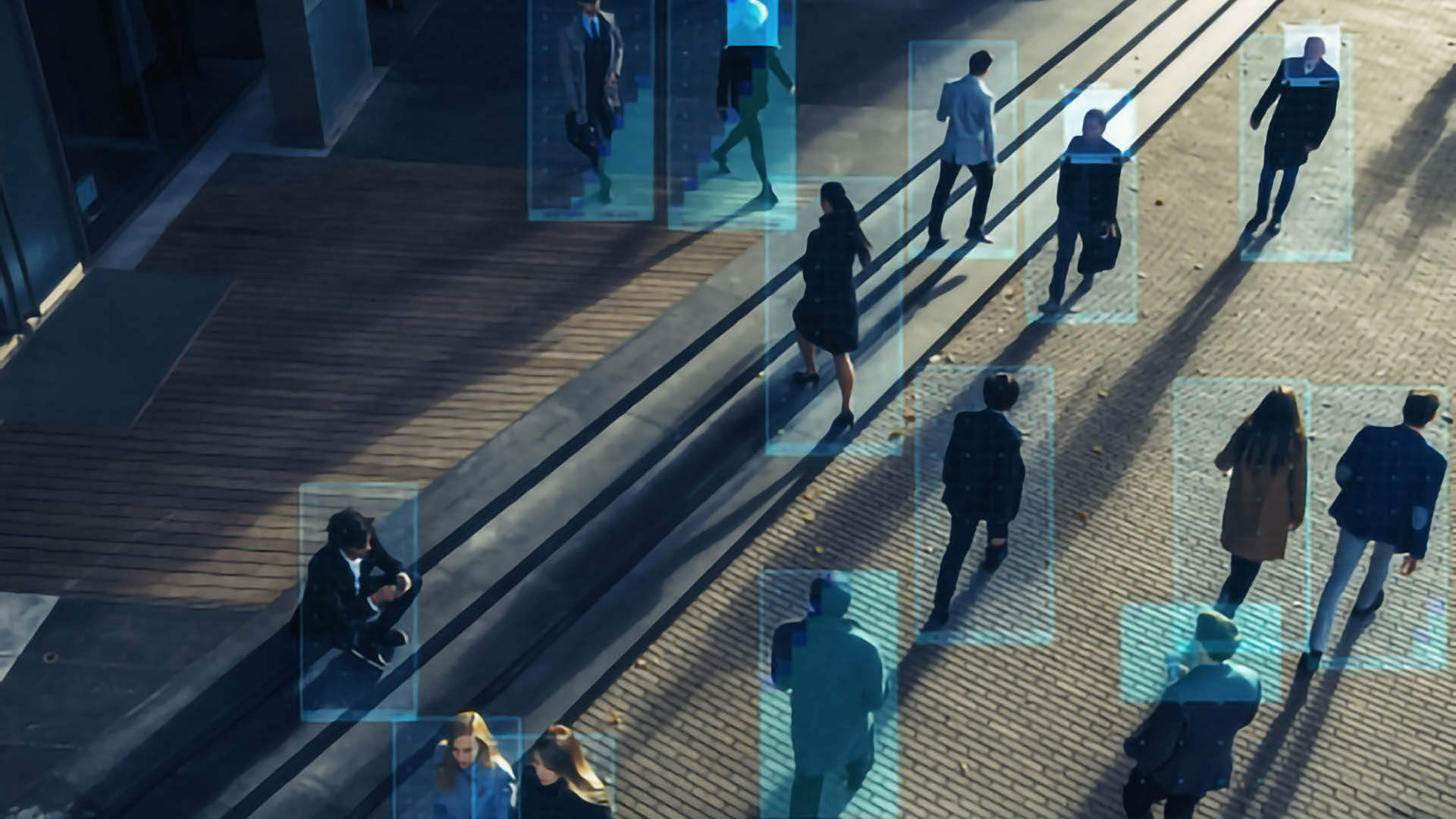
pedestrians walking by a business building with blue rectangles tracking their movements

A VMS combines software with hardware. The software works with and integrates all the surveillance hardware that makes up a smart city’s security infrastructure, such as cameras, alarms, ANPRs, and sensors. It provides a single platform and a simple visual console to monitor and review video from multiple systems in the security infrastructure, and effortlessly manage them all. The VMS also allows security teams to add or remove components to the infrastructure as new threats emerge and the city’s security landscape changes.

A VMS with AI capabilities functions as a centralized and intelligent “command center” for the smart city. Data from various devices is collated and automatically analyzed to detect threats and raise alarms, facilitating fast action and providing more proactive and effective security for the entire city. The analyses can also be customized to mask certain footage areas to satisfy privacy requirements.

How Smart Cities Can Benefit from a Video Management System

A VMS integrates multiple devices into a unified ecosystem. Its single centralized interface eliminates the need for personnel to individually access each system to review security information. Advanced VMS also apply AI-driven video analytics to all incoming video content and generate actionable insights in real-time. Moreover, when specific pre-set conditions are met, the system automatically triggers alerts – also in real-time. Security decision-makers can use these insights and alarms to identify threat scenarios, speed up decision-making, and quickly and proactively address security incidents.

Another benefit of a VMS is that it enables city officials, law enforcement agencies, and other key stakeholder to share crucial information, insights, and recommendations with each other. By doing so, they can better understand the city’s security needs and determine what measures are needed to optimize its security and safety.


Learn How a VMS Strengthens, Simplifies, and Optimizes a Smart City’s Unified Security Infrastructure

Prioritize your smart city’s safety and security with a unified security framework and a powerful, yet easy-to-use VMS.

Contact Our Experts

Open post
two security cameras point in different directions along a barbed wire fence at a high security facility

Leveraging Technology to Strengthen the Security of Correctional Facilities

How prisons can secure their premises and protect inmates and staff with technological solutions?

Prisons everywhere rely on guards, physical locks, and razor wires to secure their premises and protect the people within them. However, the prevalence of jailbreaks, violence, contraband smuggling, and criminal activities show that old-fashioned security measures are both inadequate and ineffective to create truly secure prison premises.

Today’s correctional facilities need modern security technologies that provide visibility into prison premises and perimeters, generate real-time insights about incidents and intruders, and enable officers to act quickly as soon as an incident is detected. When combined with human judgment and wisdom, these new-age systems strengthen prison security and safeguard them from illegal, unsavory, and dangerous incidents.


Must-have Security Technologies for Prisons

Today, correctional facilities and their decision-makers can choose from many solutions to secure their premises and people. These include:

Digital keycards and biometrics-based identity and access management/control

In any correctional facility, it’s important to control prisoner movement and ensure that they remain visible to security personnel. Movement control and visibility can prevent security incidents and keep everyone safe. And for this, reliable access control is crucial.

Compared to physical keys and locks, digital keycards and biometric authentication systems are harder to compromise and therefore provide more reliable access control and much stronger security. Digital and biometric systems can also keep out unauthorized or malicious users, while ensuring convenience and low-friction access for authorized users.

Smart visitor management

Visitors, both official (e.g., government personnel) and non-official (e.g., family of inmates), are a common sight in jails. To maintain security, staff must be able to screen and identify all visitors when they enter and leave the facility. They must also be able to account for all visitors during emergencies. It’s also crucial to ensure that visitors don’t stray into limited- or no-entry areas.

Biometrics-based visitor management systems can help meet all these goals. These systems can be used both to identify known visitors by comparing their details to a database, as well as to authenticate visitors’ identities and determine if they should be allowed to enter the prison premises.


Would you like to know more about how to enhance the security of correctional facilities?

Read our Full Article

Open post
silhouettes of pedestrians walking by large screens of a grocery store, with blue squares tracking their heads

How AI-powered Surveillance Benefits Your Customers and Business Bottomline

The overlooked potential of AI-powered video analytics in enhancing customer experiences and strengthening retail bottomline.

Security threats to retail businesses have been around as long as the businesses themselves. For many decades, stores and malls have leveraged CCTV cameras, access control systems, and security guards to protect their premises and assets.

And now, many of these businesses leverage newer, more robust AI-powered video surveillance systems. These systems provide comprehensive visibility and actionable insights for strong, 24×7 security that allows them identify and mitigate threats, and avoid potentially catastrophic financial losses.

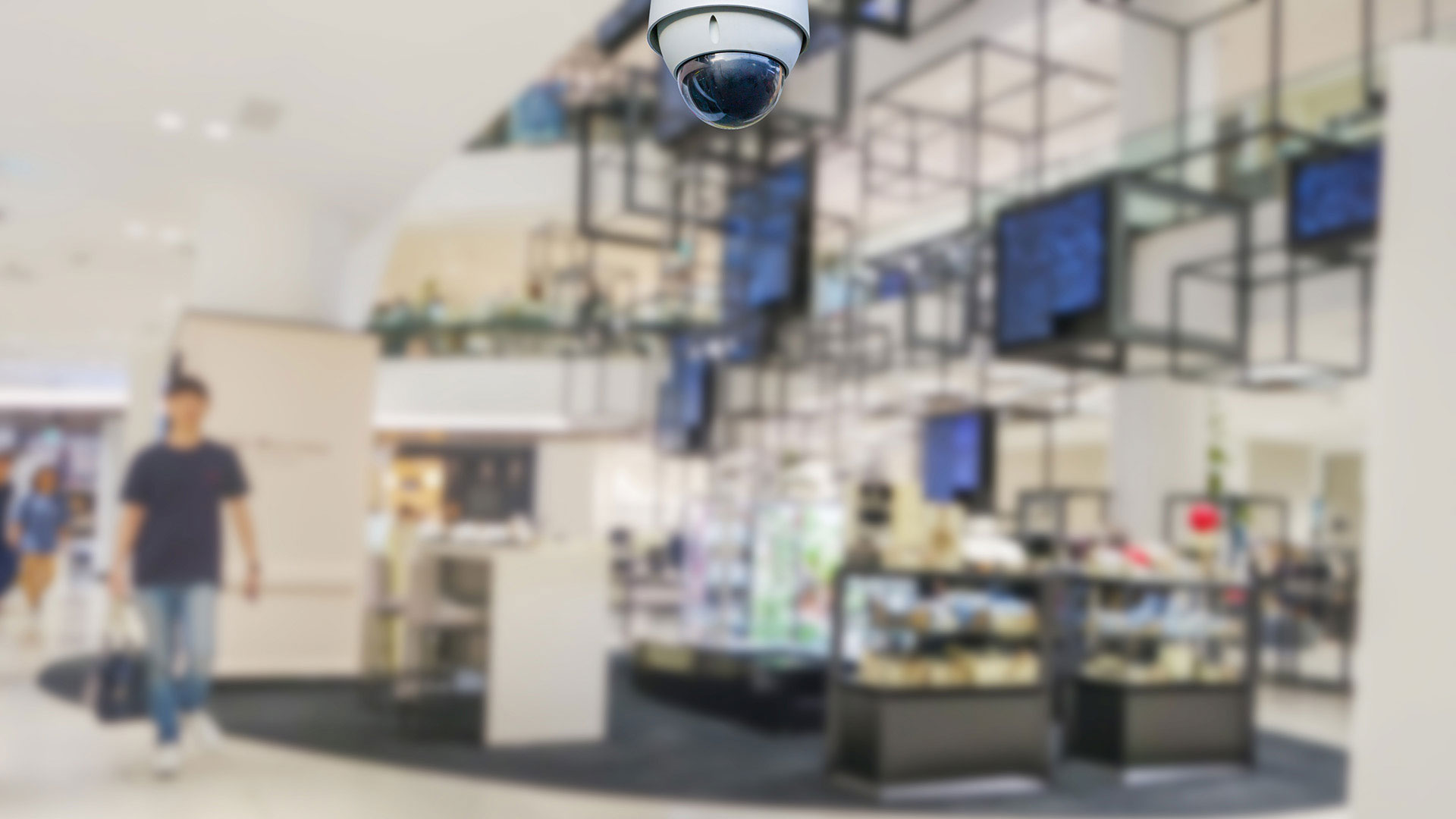
a blurred background of a shopping mall with a 360 security camera focused in the front

That said, enhanced security is not the only benefit of AI-powered surveillance and analytics. These systems also empower retail businesses to strengthen their revenues and bottomline. Here’s now.

AI-powered Surveillance in Retail: Going Beyond Security to Customer-centric Operations

Customer-centric retailers put customers at the center of the business and build long-term relationships with them. They strive to understand customers’ needs and then meet these needs with relevant, personalized products, services, and offers. They also aim to provide each customer with the best possible experience throughout their journey.

Advanced, AI-powered surveillance tools play a vital role in creating a customer-centric retail business. These tools provide real-time coverage of the shop floor, allowing retail managers to study customers and their activities. They can review shopping behaviors and spend trends to understand customers better, comprehend their needs, and implement strategies to meet those needs. All of these are hallmarks of successful, customer- centric retail organizations.

AI-driven Insights for Improved Customer Journeys

Customer-centric surveillance systems provide real-time and comprehensive information about customers that allow retail management to better understand, connect with, guide, and serve them. They can see the number of people entering the store, where they go within the premises, where they spend the most time, and how long they wait in line at the payment counters.

Decision-makers can analyze all this information to unpack behavioral insights and understand if certain customer behaviors are unfavorable to the business. For example, if too many customers are leaving without completing a purchase, it may be affecting the store’s sales. The surveillance system will provide insights about such “leakages” that help decision-makers to identify the root cause and determine suitable action to plug them. By doing so, they can improve customer journeys, enhance their experiences, and increase the store’s sales and revenues.

AI-driven Surveillance and Insights: Personalized Experiences, Customer Loyalty, Higher Spends

AI-powered surveillance systems incorporate advanced technologies to generate key insights about shoppers and their purchases. Retail business owners, managers, and staff can use these insights to identify returning customers, and improve their understanding of these buyers’ past purchases, preferences, and shopping behaviors.

With these insights, they can understand these customers better and provide personalized recommendations to them. For example, if a shopper is known to have purchased women’s clothing of a certain style and of a particular size on her past five visits to the store, sales staff can recommend clothing that match these parameters. By doing so, they can provide personalized shopping experiences that impress and flatter customers, and encourage them to come back to the store. Personalized experiences also boost customer satisfaction, happiness, and most importantly, brand loyalty, which then translates into repeat purchases higher spends per purchase, and more sales, revenues, and profits for the business.

Detailed customer insights also create new opportunities for cross-sells and upsells. Knowledge of what customers like and prefer empowers sales reps to suggest additional or complementary purchases. The recommendations are tailored to each shopper and based on their previous shopping history , so they are more likely to appreciate and act on the suggestions, which again increases the store’s sales and strengthens its bottomline.

The system can also be integrated with the business’ digital or e-commerce systems in order to gather useful information about customers, such as their demographics, behavioral attributes, purchase history, and touchpoint preferences. It can then analyze these data points to generate insights that can help retail businesses to further streamline customer experiences – both in-store and online.

Learn More About the Benefits of AI-powered Surveillance for Your Retail Business

When it comes to the retail industry, the value of AI-powered surveillance systems goes beyond security. As we have seen, the best systems can also help your retail business to improve customer journeys, deliver personalized customer experiences, and increase sales and revenues.

Want to know more about the potential of AI-powered surveillance to build a customer-centric retail business? watch Convergint MEA’s webinar Redefining Surveillance for Malls & Retailers: From a Cost Center to a Revenue Generator.

Watch on Demand

Open post
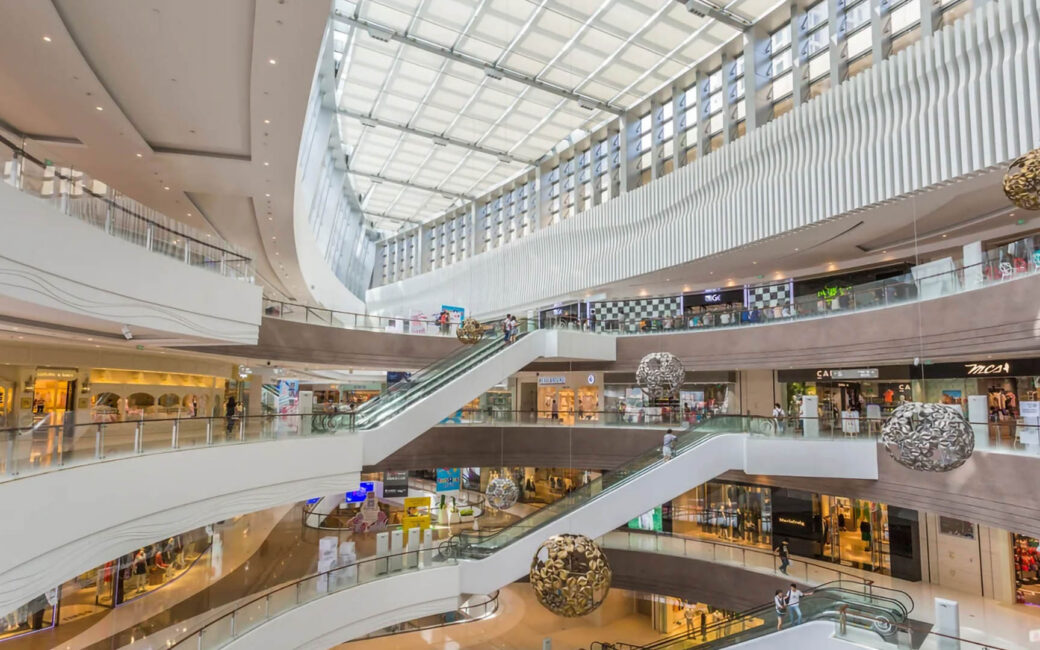
an interior view of a lavish, upscale mall with four floors of multiple stores and hanging decorations

Transforming Retail: How AI Video Analytics Boosts Security and Revenue

From passive security monitoring to supporting revenue-generation: the journey of modern video analytics in retail.

Video surveillance systems have always played an important role in the retail sector. All over the world, malls, retail chains and stores deploy such systems to protect them from criminal and malicious security challenges.

But the retail landscape is evolving and so is the role of surveillance in retail. An increasing number of retail businesses now need surveillance solutions that can also help them optimize customer experiences, improve operational efficiency, and increase sales and revenues. Here’s where intelligent video surveillance systems with AI-based analytics come in.

What is AI-based Video Analytics?

AI-powered surveillance systems harness the power of various AI techniques like natural language processing (NLP), neural networks, and “self-learning” machine learning models, plus features like facial detection, object tracking and classification, and motion detection. These techniques and features allow the system to not only capture large amounts of video data from retail premises, but also analyze the raw data and convert it into useful information.

Based on these analyses, it can discern pattern tech contents the data, extract key information, and generate real-time insight tech contents easily-digestible, human-understandable form. These insights guide human judgment, action, and decisions for a variety of use cases.

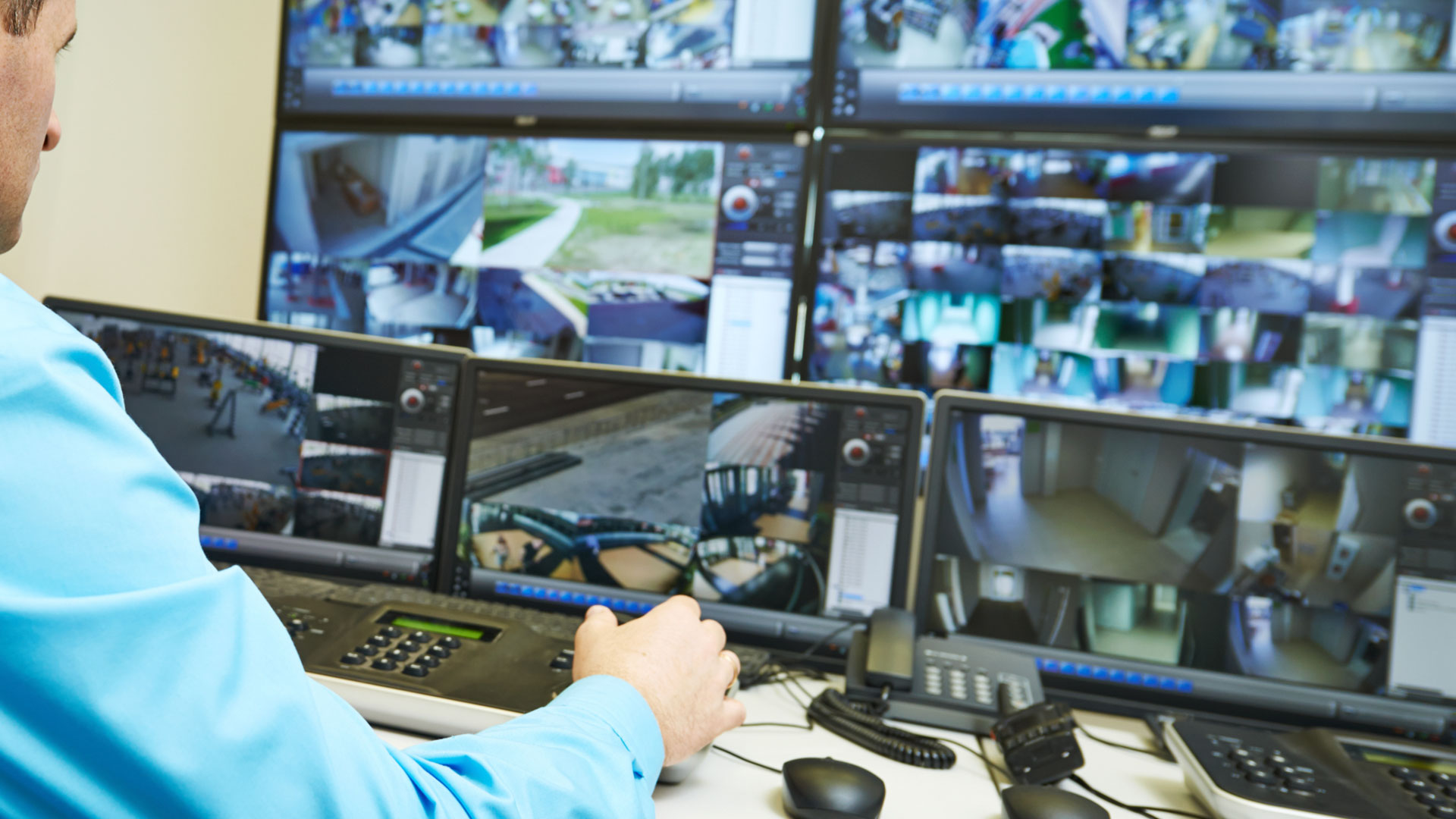
a man works on a computer with multiple monitors of security camera footage

Traditional Surveillance vs. AI-based Video Analytics Surveillance

AI-based video analytictechcontents an innovation propelling retail surveillance system to new heights. Modern surveillance systems with AI analytics capabilities go beyond surveillance and provide many more capabilities than simply keeping an eye on the business. These systems capture digital video data continuously and in real-time. More importantly, they analyze the data and deliver actionable insights, useful trends, and implementable recommendations.

Retailers can use all of this “data-driven businestechcontentntelligence” to protect their premises from many kinds of known and emerging threats. Equally important, the intelligence is also a valuable resource for creating business strategies related to customer engagement, customer experience management, customer retention, sales, marketing, promotions, and more.

AI-based Video Analytics: Automation, Insights, and Alerts to Strengthen Retail Security and Much More

AI-powered surveillance systems eliminate the need to manually sift through large volumes of video data for analysis and insights. Instead, video data is continuously captured and automatically analyzed to generate actionable insights. These insights enable retail decision-makers to better interpret activities on the retail floor and determine what action is needed to addrestechcontentssues, close gaps, and optimize business results.

For example, retail security teams get AI-generated reports and alerts that can help them identify blind spots, assess suspicious activities, and initiate appropriate action to deal with the identified problem, boost security, and prevent loss. The best systems also auto-initiate appropriate actions on detecting anomalous or malicious activities, reducing the burden for human personnel while providing more “eyes and ears” to better protect the business.

Inventory managers can leverage AI-driven demand forecasting to accurately predict customer demand and accordingly optimize the inventory. They can also analyze historical data and uncover trends to minimize spoilage and waste due to overstocking and avoid losing sales due to under stocking.

AI-powered Video Analytic Technologies for Retail: Boost to Revenues and Profitability

As we have seen, AI-based video analytics systems have a direct and tangible impact on retail security. Stronger security means better loss prevention, which directly impacts the retail business’ profit margins, profitability, and financial stability. But AI intelligence also creates many other opportunities to increase retail revenues and profitability.

For one, service managers can assess existing customer service processes and identify improvement areas in order to increase customer trust in the retail business. Higher trust can translate to higher sales and increased revenues.

Next, video feeds and insights enable marketing and sales teams to analyze customer behaviors and understand their needs. Based on these data points, they can design strategies to optimize customer journeys and experiences, which can also boost sales and increase revenues.

AI insights also help Mall owners and retailers to identify bottlenecks and congested areas. They can then implement tactics to manage store locations, customer flows and reduce waiting times. They can also optimize mall spaces, shelf space and store layout to further improve customer experiences, enhance customer satisfaction, and ultimately improve sales and profits.


Learn More About Modern AI-powered Retail Security

If you have always thought that retail surveillance is only about security, it’s time to think different. With AI analytics, you can do a lot more with your surveillance system to optimize and grow your business.

To learn more, watch MVP-Convergint MEA’s webinar: Redefining Surveillance for Malls & Retailers: From a Cost Center to a Revenue Generator.

Watch on Demand

Open post
a college lecture hall with a professor speaking to his class

Two Key Qualities of Modern Security Platforms for Educational Institutions

Why campuses must adopt customizable and scalable security platforms for their unique security needs and challenges?

All educational institutions aim to be bastions of learning, ideas, and knowledge. But this is pretty much the only common factor between them. Most differ from each other in many ways: size, complexity, geographical factors, and student demographics.

Your school or university campus also likely differs from its peers in all these ways. It may also differ in terms of its security risks and needs. That’s why you need a tailored security infrastructure that adapts to your distinct threat landscape and provides high levels of protection for your facilities, staff, and students. The infrastructure must also be future-proof so it can keep up with any new security challenges that may affect your institution in the days to come.

A modern physical security platform provides the most efficient, scalable, and cost-effective way to set up a customizable, scalable security infrastructure. If you need a secure campus where everyone feels safe and enjoys peace of mind – a physical security platform is not just a nice-to-have, but a need-to-have.

Physical Security Platforms for Your Campus: Key Aspects to Look Out For

Your campus may be small and uncomplicated or large and complex. Regardless, you should be able to see the entire environment. This visibility is essential to understand if there are any security risks on campus that need to be addressed on priority. So, when selecting a physical security platform, make sure that it provides both 360-degree visibility and a “full picture” understanding of your entire campus.

Also, look for a platform that can be easily customized for your unique threat environment and distinct security challenges. This customization is essential for two reasons. One, to find the vulnerabilities unique to your specific institution, and two, to help you implement the right measures to address them appropriately and directly.

Thirdly, the platform should offer integration ease. You may have implemented smoke, intrusion, and gunshot technologies on your campus. You may also have IoT alarms, access control systems, video surveillance, incident response SOPs, and parking management systems to secure the various areas of the physical environment. But if these systems cannot communicate with each other, then they cannot provide proactive, all-round security. That’s why you should implement a platform that offers an open architecture plus seamless integration with all the tools, sensors, and data in your security environment. Plus, make sure that it allows you to add new security and business tools to further strengthen your security framework and provide more comprehensive campus security without sacrificing current investments.

Another feature that sets apart the best security platforms from the more mediocre ones is configurable alert systems. Once set up, the platform will ensure that all stakeholders, such as security staff and management, receive real-time alerts about threats and incidents. Moreover, each alert can be tailored to each person’s role and responsibilities, reducing the operational burden for others and speeding up response times by the right people.

Choose a Platform that Grows With Your Institution and Adapts to its Security Challenges

Modern educational institutions are constantly evolving, constantly adopting more buildings, facilities, and people than they did in the past. If your school or university is one of these dynamic entities, the functional security systems of a decade ago will no longer suffice for its city-like complexity and its changing security challenges.

An evolving campus needs a physical security platform that can continuously provide a full picture of the environment, no matter how large or complex it becomes. The platform must also unify all the elements in the security infrastructure – cameras, sensors, devices, access points, automatic number plate recognition (ANPR) systems, and more – in an intuitive, centralized manner. Further, it should allow security teams to add or update any of these elements to the infrastructure, without overhauling it or making excessive capital expenditures.

Finally, a truly future-proof security platform should support adaptive analytics. As your campus grows, its threat environment may change. Regardless, you should have the benefit of powerful data gathering, analytics, and insight-generation capabilities that ensure that you never lose focus of new and emerging threats and can maintain uncompromising security in every part of the campus.

MVP Tech and Genetec: Embracing the Future and Creating More Secure Campuses

Truly robust campus security requires unified physical security platforms that can anticipate, adapt to, and safeguard against ever-evolving threats. Platforms that offer a unified approach make it easy for security teams to manage threats, enforce policies, prioritize interventions, and ultimately, create a safer campus where everyone can thrive and succeed.

If you are looking for a customizable campus security platform that provides seamless control over all operations and can easily scale for an evolving campus, MVP Tech – Convergint MEA can help. We have pooled our expertise with Genetec, a company that’s leading the way with physical security solutions for educational settings.

Together, MVP Tech and Genetec are not just technology providers, but partners that can secure the future of your campus.

To know more about our offerings and how we can help strengthen your campus security, watch our webinar on “ Future Proofing Campus Security”

Watch on Demand

Posts navigation

1 2