Open post
Unlocking Hidden Operational Value in Utility Security Tech

Unlocking hidden operational value in utility security tech.

The utility sector is poised to invest over $7 billion annually on physical security by 2030 in the U.S. alone, with global spending reaching $17.8 billion. This spending will encompass millions of devices, including surveillance cameras, thermal imaging sensors, and intrusion detection technologies.

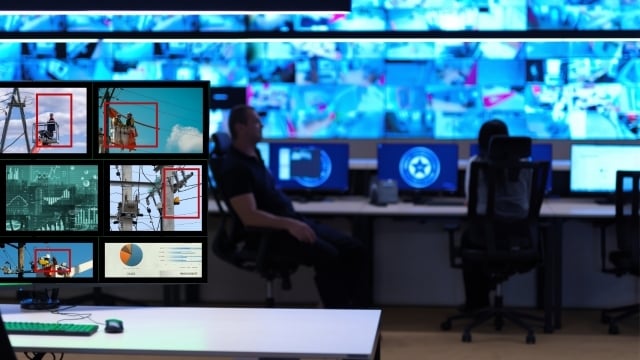
While these security devices are essential for safeguarding assets, they also hold untapped operational potential that often goes unnoticed. Taking it a step further than security, these technologies can significantly enhance operational efficiency and offer real-time situational awareness, delivering value far beyond their original intent.

For instance, cameras typically used to monitor perimeters can also monitor personnel safety. Thermal imaging sensors typically used for intrusion detection can also help detect failing transformers or other temperature changes, predicting equipment failure. Radar sensors that monitor for people or drones can also help streamline traffic flow and logistics within a plant.

By leveraging security devices as operational tools, utilities can optimize asset management, improve maintenance activities, and enhance compliance efforts. Deploying such devices as operational technology can be a cost-effective way to get more mileage out of security expenditures.

These benefits extend across the organization, leveraging multi-departmental budgets while delivering business solutions.

Consider the chief financial officer (CFO), for example: by using existing thermal imagers for predictive maintenance, it doesn’t just prevent failures; it avoids costly emergency repairs and improves the data used in capital data planning. For the chief operating officer (COO), integrated sensors drive tangible improvements like operational uptime and asset utilization. Human resources teams can gain a proactive tool for workforce safety because many security cameras can detect when employees are wearing required personal protective equipment (PPE) or be used for post-safety incident forensic analysis.

To truly unlock the strategic and operational value, organizations need to move beyond traditional departmental silos. Embracing a unified approach may require rethinking established workflows and fostering new levels of cross-departmental collaboration. It is a necessary disruption to unlock unprecedented operational intelligence and strategic advantages because when data is isolated, its potential for ROI remains untapped.

However, it can be achieved. A number of utilities have had success in deploying cameras and advanced sensors to address cooperative security and business functions, creating a win-win for cross-functional collaboration, breaking down data silos, and optimizing security expenditures.

When security technologies are integrated into a broader operational improvement strategy, they offer a comprehensive view of operations and deliver significant value across the entire organization.

Open post
Worker looking at iPad at a substation

Prevent the Next Shutdown: How Utilities Can Stay Resilient with AI-Enabled Security Systems

What Happens When Utility Infrastructure Is Left Unprotected Against Evolving Threats?

Utility providers, whether in electricity, water, gas, or telecommunications, operate at the intersection of critical infrastructure and national security. Their facilities span vast geographies, often in harsh or remote environments, making them attractive targets for both cyber and physical threats. The growing attack surface, along with regulatory pressure and aging infrastructure, is forcing operators to rethink how they secure, monitor, and maintain their networks.

At MVP Tech – A www.convergint.company, we approach utilities security beyond deploying cameras or sensors. It’s about engineering integrated, intelligent ecosystems that combine physical security, operational technology, and artificial intelligence to deliver real-time visibility, proactive response, and system-wide resilience.


Why Systems Integration is Key in Utilities.

Utility environments are complex. Substations, pumping stations, control rooms, transmission lines, and treatment facilities each carry distinct operational requirements and threat profiles. Many of these sites are unmanned, run continuously, and are located in remote or harsh environments, conditions that make conventional, standalone security systems inadequate.

The role of a systems integrator is to unify these disparate technologies, video surveillance, access control, intrusion detection, SCADA and OT network integration, AI analytics, and communication systems into a centralized, cohesive platform. This integration enables centralized control, better situational awareness, and faster, data-driven response across all operational layers.

MVP Tech specializes in designing and implementing integrated solutions for mission-critical sites across the region, including high-voltage power grids, desalination plants, and pipeline infrastructure. By engineering solutions that are scalable, redundant, and AI-enabled, we help operators manage risk and compliance in real time.


AI Security Applications That Are Changing the Game.

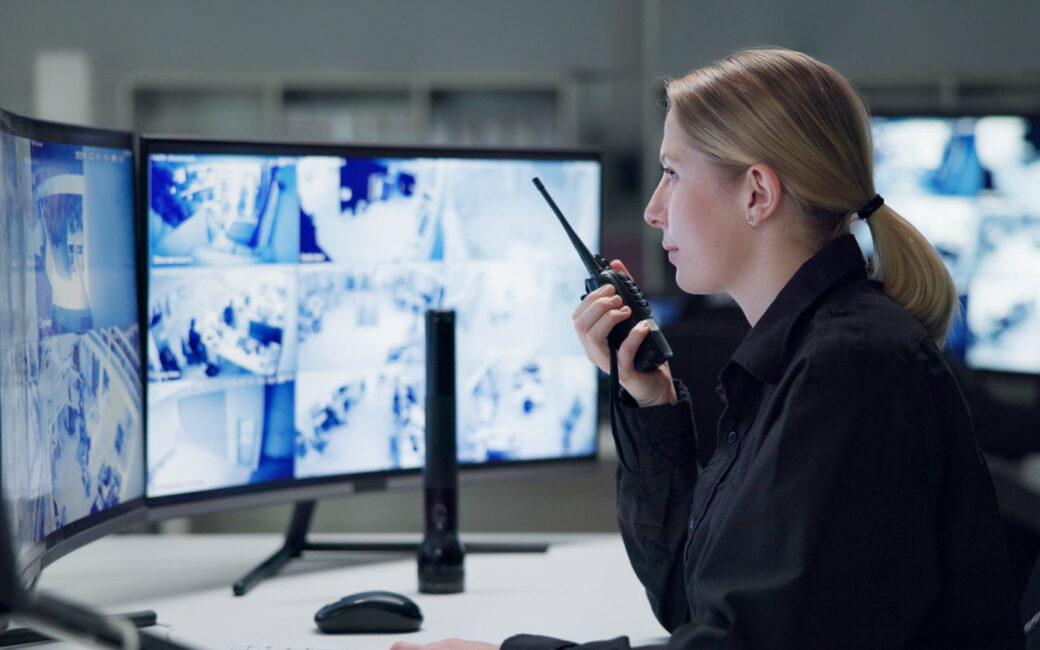
Security team watching security monitors along with AI

AI has become a strategic asset in utility security, automating detection, filtering noise, and predicting potential failures before they become incidents. Here are the top AI applications systems integrators deploy for securing utility assets:

  1. AI-Powered Video Surveillance with Real-Time Object Recognition

Modern video management systems use deep learning to identify people, vehicles, and behavior patterns with high accuracy. Unlike basic motion-triggered alerts, AI-enabled video analytics can:

  • Distinguish between human and non-human movement.
  • Detect loitering or unauthorized access in restricted zones.
  • Trigger alerts for fence jumping, tailgating, or perimeter crawling.
  • Recognize vehicles parked for too long near critical assets.

These analytics are integrated into centralized dashboards, reducing operator fatigue and ensuring actionable responses, not just footage playback.

  1. Perimeter Intrusion Detection Using AI Sensor Fusion

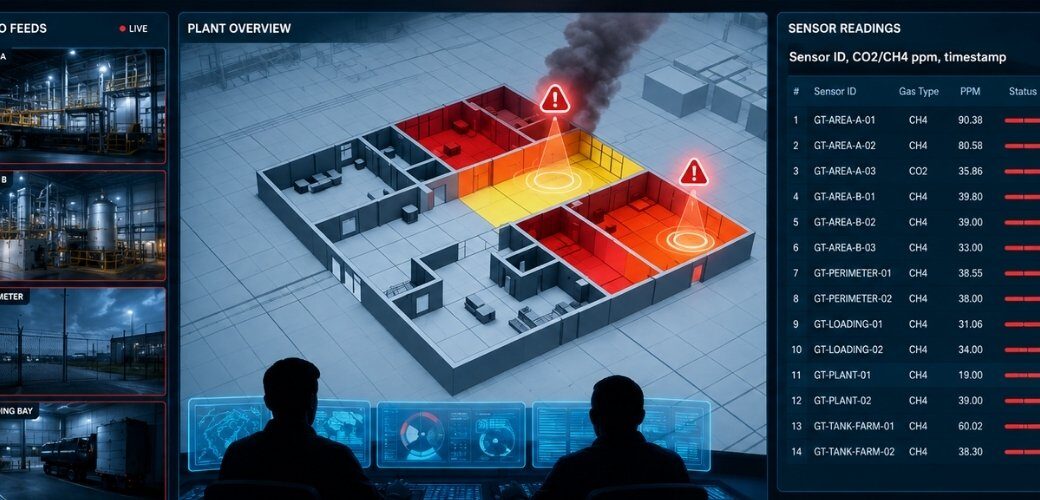
By combining radar, thermal imaging, ground sensors, and video analytics, AI models can detect and classify threats in real time, even in poor visibility or low-light conditions. Machine learning filters out false alarms (e.g., wind-blown debris) and escalates only high-confidence events.

In remote substations or gas fields, this is critical. Systems can automatically correlate data across multiple sensors to confirm a real intrusion, activating deterrents such as lights, sirens, or even dispatching drones for visual confirmation.

  1. SCADA Anomaly Detection and OT Network Monitoring

Utility networks rely heavily on SCADA systems, which were not designed with cybersecurity in mind. AI-based monitoring tools learn the expected behavior of OT devices, voltage levels, data traffic, command sequences, and flag deviations that might indicate a cyberattack or malfunction.

These alerts can be fed into SIEM platforms or command centers to provide a single pane of glass that merges physical and cyber alerts, enabling faster incident response.

  1. Automated Drone Surveillance for Remote Inspections

AI-equipped drones can be programmed to patrol power lines, solar farms, or oil pipelines, capturing high-resolution thermal and visual data. Real-time video feeds are analyzed for asset damage, overheating, vegetation encroachment, or unauthorized access.

As integrators, we deploy these systems to work in tandem with ground-based alarms. For instance, if a seismic sensor detects ground movement, drones can be launched autonomously to verify the cause, whether it’s trespassing or equipment disturbance.

  1. Facial Recognition and Multi-Factor Access Control

For high-security zones like control centers or data facilities, AI-enabled facial recognition ensures only authorized personnel gain access. When integrated with access control systems, time logs, and visitor management platforms, it enables:

  • Real-time identity verification.
  • Anti-passback and tailgating prevention.
  • Audit trails for compliance reporting.

Some utilities also use AI to detect fatigue or PPE compliance, ensuring safety protocols are followed before access is granted.

  1. Predictive Maintenance and Asset Health Monitoring

While primarily an operations function, predictive maintenance has a major role in risk reduction. AI models process data from equipment sensors, temperature, vibration, current, and flow to forecast failures before they happen. A pump overheating or a transformer showing abnormal load can be flagged early, avoiding costly shutdowns or safety incidents.

Integrating this data into the central command platform gives operators complete visibility, merging security and operational data in one place.


Delivering End-to-End Utility Security with Engineering Depth.

At MVP Tech – Convergint, we don’t just deploy technology; we engineer outcomes. Our deep bench of engineers, project managers, and support teams understands the criticality of utilities and the nuances of each site. Whether the requirement is securing an offshore pumping station or a high-voltage control center in the desert, we apply a tailored, engineering-first approach.

We work with global technology partners to deliver best-in-class solutions, from AI analytics platforms and command-and-control software to hardened field devices and long-range surveillance. More importantly, we provide lifecycle support, preventive maintenance, and continuous system upgrades to ensure long-term value.


Final Words.

Securing utilities in the current threat landscape is no longer about reacting; it’s about anticipating. Through intelligent systems integration and AI-driven solutions, utility providers can gain real-time control, ensure safety, and meet compliance, while maintaining uninterrupted service for the communities they serve.

At MVP Tech – Convergint, we bring the scale, expertise, and local delivery capability to turn complex utility security challenges into engineered, reliable systems.

Explore our Energy Solutions

Open post
Energy Grid & Substations

A Guide to Leveraging Advanced Video and Sensor Intelligence in Utilities: 10 Ways to Enhance Key Performance Metrics

Two utility leaders reviewing plans

Data is at the heart of every business decision and for utility leaders, it’s crucial for driving growth, managing risks, ensuring regulatory compliance, and fostering innovation. But without real insights, even the best strategies fall short. Utilities need real-time visibility into their operations to keep critical systems online, optimize operations, and protect their workforce.

Advanced sensors and video systems, often deployed by security teams, provide this critical visibility, unlocking new ways to track performance across the entire organization. This shifts the perception of security from a cost center to a strategic asset.

The reality is that advanced video and sensor intelligence powered by these devices can directly impact operational KPIs. By leveraging these tools for more than surveillance, utility leaders can drive uptime, efficiency, and workforce safety while proving long-term value to shareholders, regulators, and boards. And, by implementing KPIs designed to measure to assess strategic and financial impacts, utility teams can gain clear insights into how these investments contribute to measurable high-level outcomes.

Utility leaders using advanced video and sensor intelligence apply these ten ways to enhance KPIs across these three critical business priorities.


Maximizing Uptime.

Preventing failures, reducing downtime, and improving response times ensure continuous operations and better service delivery.

Incident Detection & Response Time
Faster detection of security breaches, equipment failures, and environmental hazards reduces service disruptions and minimizes operational risks.

Predictive Maintenance Effectiveness
Using thermal imaging and acoustic sensors identifies early warning signs of equipment failure, reducing reactive maintenance.

Downtime Due to Safety or Security Incidents
Tracking and minimizing downtime caused by accidents, security threats, or regulatory shutdowns improves overall system reliability.

Reduction in Unplanned Downtime
AI-driven monitoring and automation help prevent unexpected failures that lead to costly service interruptions.


Improving Operational Efficiencies.

Advanced video and sensor technology helps utilities to automate workflows, maintenance schedules, and reduce financial inefficiencies.

Operational Cost Reduction Due to Predictive Maintenance
Automating maintenance scheduling through sensor-driven insights reduces labor costs and extends equipment life.

Return on Investment (ROI)
Measuring the impact of advanced video and sensor intelligence ensures cost savings, improved system performance, and better resource allocation.

Cost Savings from Theft and Vandalism Prevention
AI-powered surveillance reduces asset loss, deters criminal activity, and lowers replacement costs.


Workforce Enhancements and Protection.

Prioritizing employee safety and ensuring adherence to regulatory compliance improves business continuity and strengthens organizational resilience.

Regulatory Compliance Adherence
Automated compliance tracking ensures utilities meet industry standards and avoid fines or shutdowns.

Incident Prevention Rate
AI-driven video and sensor analytics and real-time monitoring identify risks before they escalate, creating a safer work environment.

Insurance Premium Reduction Due to Risk Mitigation
By lowering incident rates and improving security, utilities can negotiate lower insurance costs and reduce liability exposure.


Start building your roadmap today.

Your security infrastructure is more than just a safeguard – it’s a powerful tool for operational improvement. Are you tapping into its full potential?

Contact Us

Some of our content may be sponsored by the product partners featured. We strive to ensure transparency and provide valuable content while working with trusted partners.

Effective security and safety is a multi-layered approach involving people, processes, and technologies. Convergint-provided products and services are only one part of this multi-layered approach, will not detect or prevent all threats or solve every risk, and should not be your sole method of security or safety. Please see the “IMPORTANT PRODUCT SAFETY AND SERVICE INFORMATION” documentation, available at www.convergint.com/terms, prior to using a Convergint-installed system.

Open post
Watch, security and woman with radio, cctv and monitor for danger, talking and control room for gua

Video: Securing America’s Largest Cargo Port with Convergint—Port of Los Angeles

Birds eye view of a container ship

Convergint’s top priority is service in every way—service to customers, colleagues, and community. As an integrator, Convergint works alongside a global network of partners and manufacturers to design, install, and service security, fire alarm, life safety, audio-visual, and building automation solutions for enterprise customers.

In the video below, explore the inner workings of the Port of Los Angeles, the largest cargo port in the U.S. Learn how Convergint ensures security with innovative technology and proactive measures. From overseeing extensive camera networks to managing the Department Operations Center, witness Convergint’s dedication to being the Port of Los Angeles’ best service provider.

View Video Here


A global leader in systems integration.

Convergint is a global, service-based systems integrator focused on mission-critical security, fire, and life safety infrastructure. Convergint offers last-mile delivery for emerging technology, backed by a 20-year commitment to its core value of service. To learn more, contact Convergint today.

Contact Us

Open post
U.S. Capitol closeup of base relief and dome with Liberty statue

Ensuring NDAA Compliance Through Secure and Compliant Solutions

Federal building

Federal regulations continue to evolve, requiring organizations to align with the National Defense Authorization Act (NDAA). The legislation restricts the use of certain telecommunications equipment, including cameras from specific manufacturers, creating challenges for organizations that rely on federal funding for security infrastructure.

To remain compliant and mitigate potential risks, organizations must assess existing security systems, identify non-compliant equipment, and secure funding for necessary upgrades. Navigating these requirements requires strategic planning and expert support.

Convergint provides guidance to help organizations meet NDAA requirements while enhancing security infrastructure. With extensive experience in security integration, Convergint offers:

  • Security assessments and threat analyses to identify risks.
  • Expert support in grant applications, including design validation.
  • Assistance in drafting and refining proposals to secure funding.
  • Access to cooperative contract agreements to streamline compliance efforts.

Organizations can verify product compliance by checking the FCC ID through the FCC ID database or reviewing manufacturer declarations. For additional support and a no-cost consultation, contact [email protected].

Download Brochure


A global leader in systems integration.

Convergint is a global, service-based systems integrator focused on mission-critical security, fire, and life safety infrastructure. Convergint offers last-mile delivery for emerging technology, backed by a 20-year commitment to its core value of service. To learn more, contact Convergint’s experts today.

Contact Us

Open post
Intrusion Systems. Detect early. Respond fast. Stay ahead of threats.

Use Case: Agency Benefits from Migration to IP Video Solution with Convergint Federal

Closeup of a security camera with a cityscape in the background

Convergint provides best-in-class security solutions for federal agencies and institutions. Integrated technologies from Convergint Federal work to mitigate security risks and support a standardized, efficient, and resilient security infrastructure. Both current and future demands are subsequently addressed across multiple sites.

Review this use case to learn how Convergint Federal is leveraging innovation from multiple partners to revolutionize surveillance and security systems for federal entities.


View the case study here.

Download Full Case Study


Learn more.

Contact an expert today to learn how Convergint Federal can provide top-notch security solutions for federal agencies, reducing risks, and ensuring robust infrastructure.

Contact Us

Open post
ATM cash withdraw

Optimizing ATM Transitions: Convergint’s Disconnect and Reconnect Solutions

Woman inserting card into an ATM machine

Challenges in ATM disconnect and reconnect management.

Managing ATM disconnect and reconnect operations presents challenges, including coordinating multiple vendors, maintaining security system integrity, and navigating complex logistics. Financial institutions often lack the internal resources or expertise to effectively manage these projects, leading to delays and potential operational risks:

Coordination across vendors: These projects require collaboration between multiple teams, including ATM support, security, and facilities management. Poor coordination can cause delays, affecting operations and customer satisfaction.

Security and operational risks: Disconnecting and reconnecting critical security systems requires technical expertise to prevent errors that could compromise security or disrupt ATM functionality.

Logistical complications: Managing the logistics and scheduling of these projects, especially across hundreds or thousands of sites, can be overwhelming for financial institutions without dedicated resources.

Project management: Effective execution relies on specialists trained in manufacturer-specific systems and best practices for connecting, testing, and troubleshooting alarms and video systems. Many institutions rely on external expertise for these specialized needs.


Convergint’s scalable approach to ATM disconnect and reconnect projects.

Convergint addresses these challenges with a comprehensive, scalable approach tailored to the unique needs of financial institutions. This approach minimizes operational disruption and confirms that security systems remain intact and fully functional throughout the process.

Certified and trained specialists: Convergint’s specialists are certified in various systems, guaranteeing that all security equipment will be operational and compliant before the ATM is reactivated.

Comprehensive project management: A dedicated Convergint project manager coordinates all vendors, manages schedules, and maintains seamless communication throughout the process.

Detailed playbooks and tools: Convergint uses detailed playbooks and the iTrac project management tool to guide each stage, confirming consistency and efficiency across all sites.

Real-time technical support: Specialists have access to Convergint’s technical support team to quickly address any unexpected challenges.

Scalable operations: Convergint’s approach scales to accommodate both small-scale and large-scale projects, regardless of the number of sites involved.

Certified testing and validation: Before returning ATMs to service, Convergint conducts thorough testing and validation of all security systems to meet compliance and reliability standards.


Convergint’s impact on financial institutions’ ATM operations.

Convergint recognizes the unique needs of financial institutions and strives to achieve associated KPIs including response rates, quality, and completion. The latter is exemplified by Convergint’s 99% on-time completion rate for a major client with 1,200–1,500 sites requiring service annually. Metrics like that are facilitated by the reliability and efficiency of Convergint’s processes. Convergint is also highly sensitive to managing downtime during upgrades and maintenance, thereby supporting institutions’ need to maintain seamless customer access, satisfaction, and financial outcomes. Overall, Convergint’s consistent performance has fostered strong client trust, positioning it as a preferred partner in a competitive market. Convergint has adapted to increasing demand by offering design services and project management that coordinate vendors and resources effectively.


Maximizing efficiency with Convergint’s ATM expertise.

ATM disconnect and reconnect services are crucial for financial institutions managing upgrades and maintenance. Convergint stands out with certified expertise, comprehensive project management, and a proven track record of minimizing operational disruptions and optimizing financial outcomes. As demand for these services grows, Convergint remains focused on delivering reliable, client-centric solutions to meet the evolving needs of financial institutions.


Contact us.

Convergint Financial leverages a comprehensive portfolio of solutions, extensive reach, and dedication to quality to support operational optimization for institutions of all sizes. Through local support, centralized assistance, and comprehensive training, Convergint is committed to delivering exceptional service and efficiency, fostering lasting partnerships built on trust and reliability.

To learn more about Convergint’s financial service capabilities, contact a specialist today.

Contact Us

Open post
Silhouette of oil wells at sunset

Building Resilience in Oil & Gas: Convergint’s Integrated Security Solutions

Oil and gas refinery

The oil and gas industry operates within an unpredictable environment, balancing compliance with operational demands while navigating a surge in physical and cyber threats. As industry leaders, including Security Executives, Regional Security Managers, Plant Managers, IT Managers, HSSE Managers, and Security Directors, work to address these challenges, the Convergint Utilities team delivers innovative and adaptive solutions. By leveraging extensive industry expertise and strategic partnerships, Convergint supports organizations in navigating the evolving security and operational structure, fostering innovative and adaptive solutions in an increasingly complex environment.

Evolving challenges in oil and gas security.

The energy sector faces increasing complexities driven by regulatory, cybersecurity, operational, and physical security concerns. To manage these risks and minimize operational disruption, companies can focus on the following strategies:

Regulatory pressures: Evolving environmental standards and carbon neutrality goals require oil and gas companies to invest in advanced technologies and practices to stay compliant.

Cybersecurity threats: The rise in ransomware attacks on critical infrastructure highlights vulnerabilities and emphasizes the need for improved cybersecurity measures.

Operational constraints: Fluctuating energy markets and geopolitical tensions are driving the need for cost-efficient strategies while maintaining operational stability.

Physical security concerns: Increasing theft and sabotage risks are pushing the need for integrated physical and cybersecurity solutions to protect assets and personnel.


An integrated approach to oil & gas security.

Leveraging industry expertise and strategic partnerships, Convergint develops integrated solutions that enhance security, improve efficiency, and support regulatory compliance. These strategies address the specific needs of the oil and gas imdustry:

Operational support: Solutions that align with regulatory requirements, integrate IT and OT systems for better efficiency and security, conduct risk assessments, and have a proven track record in addressing oil and gas sector challenges.

Security solutions: Security strategies for production facilities and headquarters, emphasizing resilience, redundancy, and advanced technologies to ensure operational continuity, supported by 24/7 monitoring and long-term service agreements.

Why cybersecurity is non-negotiable: The rise in sophisticated cyberattacks on critical infrastructure underscores the critical need for strong cybersecurity measures to mitigate evolving threats.

Regulatory insights: Collaboration with industry stakeholders to monitor evolving regulations within the utilities sector, helping customers stay compliant and manage emerging threats.

Convergint integrates cybersecurity into every layer of its solutions to counter these threats, bridging the gap between IT and OT to protect critical systems.


Convergint’s vision for a secure future.

With expertise in both security and operations, Convergint helps oil and gas facilities meet current challenges while staying adaptable for the future. Through solutions that improve compliance, enhance operational efficiency, and protect against both cyber and physical threats, Convergint supports decision-makers in securing long-term operational resilience.

Effective security and safety is a multi-layered approach involving people, processes, and technologies. Convergint-provided products and services are only one part of this multi-layered approach, will not detect or prevent all threats or solve every risk, and should not be your sole method of security or safety. Please see the “IMPORTANT PRODUCT SAFETY AND SERVICE INFORMATION” documentation, available at www.convergint.com/terms, prior to using a Convergint-installed system.


Contact us.

Convergint Utilities is leading the utilities sector towards 2025 by focusing on expertise, strategic partnerships, customer engagement, and social responsibility. Through in-depth industry knowledge, collaboration with key stakeholders, and a commitment to community involvement, Convergint not only prepares for the future but actively shapes it. This dedication to innovation and excellence empowers utilities nationwide, ensuring a secure and resilient environment.

The Convergint Utilities team delivers expertise, innovation, partnerships, and engagement, all in support of our ability to be our customer’s best service provider. Contact Convergint today to discover how industries can enhance operations and security, positioning utilities for success in a rapidly evolving landscape.

Contact Us

Open post
University campus surveillance cameras

Case Study: Black Hills State University Enhances Campus Security with Convergint and Milestone Systems

Black Hills State University

In 2011, Black Hills State University (BHSU), located in South Dakota’s northern Black Hills region, identified a need for a centralized video security system to strengthen campus safety and streamline operations. Serving approximately 3,500 students, BHSU’s main campus in Spearfish and its satellite Rapid City location both lacked a unified security infrastructure. To address this challenge, BHSU partnered with Convergint and Milestone Systems, implementing an adaptable, open platform video management solution designed to support future growth.


Challenge.

BHSU required a comprehensive system to provide consistent security coverage across its 20-building complex and exterior grounds. This new system would need to accommodate cross-departmental access, unify security operations across multiple locations, and scale easily with the university’s anticipated growth.


Solution.

Convergint worked alongside Milestone Systems and Axis Communications to design and install a robust, centralized video management system. Using Milestone’s XProtect open platform video management software (VMS), combined with 80 Axis network cameras, the deployment provided BHSU with:

  • Unified Campus Coverage: Strategic camera placements across building interiors, common areas, parking lots, and other high-traffic zones ensure visibility and security at both Spearfish and Rapid City campuses.
  • Cross-Departmental Access: Departments including Public Safety, IT, and Facilities gained secure access to the system, utilizing video data to support security, technical diagnostics, and environmental monitoring.
  • Scalability for Future Expansion: The open platform allows for future integrations, including advanced analytics and additional cameras, adapting seamlessly as campus security needs evolve.

“Convergint is proud that Black Hills State University chose our innovative security solutions to safeguard their campus. By selecting a system that is meticulously future-proofed, the university demonstrates their commitment to staying ahead in ensuring the safety and security of their community.”

–Bob Peplinski, General Manager, Convergint


Result.

The new video management system provided BHSU with a streamlined, multi-departmental approach to campus safety. The system’s benefits include:

  • Enhanced Operational Efficiency: Public Safety, IT, and Facilities teams now have streamlined access to the video network, supporting everything from investigations and maintenance to weather monitoring.
  • Flexibility to Meet Future Needs: BHSU is prepared to add new technologies—including PTZ cameras, advanced analytics, and license plate recognition—to expand its security capabilities over time.

Future Plans.

Looking ahead, BHSU continues to prioritize enhancements that maximize safety and operational effectiveness, such as:

  • Expanding camera coverage in key areas to address blind spots.
  • Upgrading existing equipment to high-definition and 360-degree cameras.
  • Integrating mobile access, enabling security personnel to monitor video in real-time across campus.

Conclusion.

Through its partnership with Convergint and Milestone Systems, Black Hills State University has established a scalable, resilient security infrastructure that supports the safety and operational needs of its community. By implementing an open, adaptable video management platform, BHSU is well-positioned to meet current demands while staying prepared for future technological advancements.

Download the Case Study


Offering innovative AV solutions across multiple verticals.

Convergint is strategically aligned with the world’s leading AV technology partners to provide customers with transformative solutions across all locations and verticals. Contact a Convergint expert today to learn more about the solutions deployed in this case study.

Contact Us

Open post

Convergint’s Strategic Collaborations Focus on Data Center Security

Data center facility

Physical security plays a vital role in protecting data centers. These facilities house sensitive and valuable information, making them potential targets for theft, vandalism, and malicious activities. Robust physical security measures are essential for safeguarding the data stored within these facilities.

One critical aspect of data center physical security involves controlling access to the facility. Biometric authentication, access cards, and keypads are effective tools for restricting entry to authorized personnel. This approach helps prevent unauthorized individuals from gaining access and potentially compromising the data’s security.

Surveillance cameras and monitoring systems are also integral to a comprehensive physical security strategy. These systems act as deterrents against criminal activity and provide valuable evidence in the event of a security breach. Monitoring systems further support protection by alerting security personnel to suspicious activity, enabling a rapid and effective response to potential threats.

Maintaining a strong focus on physical security allows data centers to safeguard the integrity and confidentiality of stored information. By implementing access controls, surveillance systems, and other advanced security protocols, these facilities can strengthen their security posture and reduce the risk of breaches or unauthorized access.

Convergint uses a strategic layered approach to support global deployments for data center customers, ensuring timely deployment while maintaining consistent and scalable security standards across various geographical markets.


Perimeter.

Create a safe zone by establishing a physical boundary at the property edge to deter external threats with:

  • Fencing, bollards, guard shacks, and gates
  • Sensors, perimeter lighting, and thermal cameras
  • Vehicle security and license plate recognition

Clear zone.

Implement a buffer zone between the perimeter and the facility to better detect physical intrusion with:

  • Low-light cameras and video analytics
  • Intrusion detection sensors
  • Outdoor LED lighting and IP horn speakers
  • High-security locking hardware and controlled key systems

Reception area.

Secure visitors to the facility and validate authorized access to the data center with:

  • Surveillance cameras with video analytics
  • Card readers and personal identity access management software
  • Intercom systems and visitor management

Service corridor.

Track and monitor the internal passages to defend against unauthorized mobility within restricted areas with:

  • Mantraps, biometrics, and two-factor authentication
  • Integrated video access and monitoring
  • High-security locksets
  • 180/360 surveillance cameras and intrusion sensors

Data room.

Prevent general personnel or intruders from accessing sensitive areas and high-tech electronics with:

  • Cages and cabinet locks
  • Logic control and motion/button egress
  • Air sampling, fire suppression, and suppression monitoring

Data cabinet.

Establish protection of sensitive electronics that contain critical data with:

  • 360-degree cameras, cabinet-level access control, and video as a service
  • Controlled key systems and key cabinets with audits
  • End-of-row readers, environmental monitoring, and red laser beam detection

By leveraging Convergint’s expertise and tailored solutions, data center facilities are better positioned to navigate complex security, compliance, and regulatory requirements. Through its collaborative approach, Convergint supports data centers in strengthening IT infrastructure security while allowing these facilities to focus on operational priorities with confidence.


A global leader in systems integration.

Contact an expert to learn more about integrated security strategies designed to protect critical data center assets and address potential risks.

Contact Convergint

Effective security and safety is a multi-layered approach involving people, processes, and technologies. Convergint-provided products and services are only one part of this multi-layered approach, will not detect or prevent all threats or solve every risk, and should not be your sole method of security or safety. Please see the “IMPORTANT PRODUCT SAFETY AND SERVICE INFORMATION” documentation, available at www.convergint.com/terms, prior to using a Convergint-installed system.

Posts navigation

1 2 3 4